What Happens During a Dental Emergency Visit in Plano TX
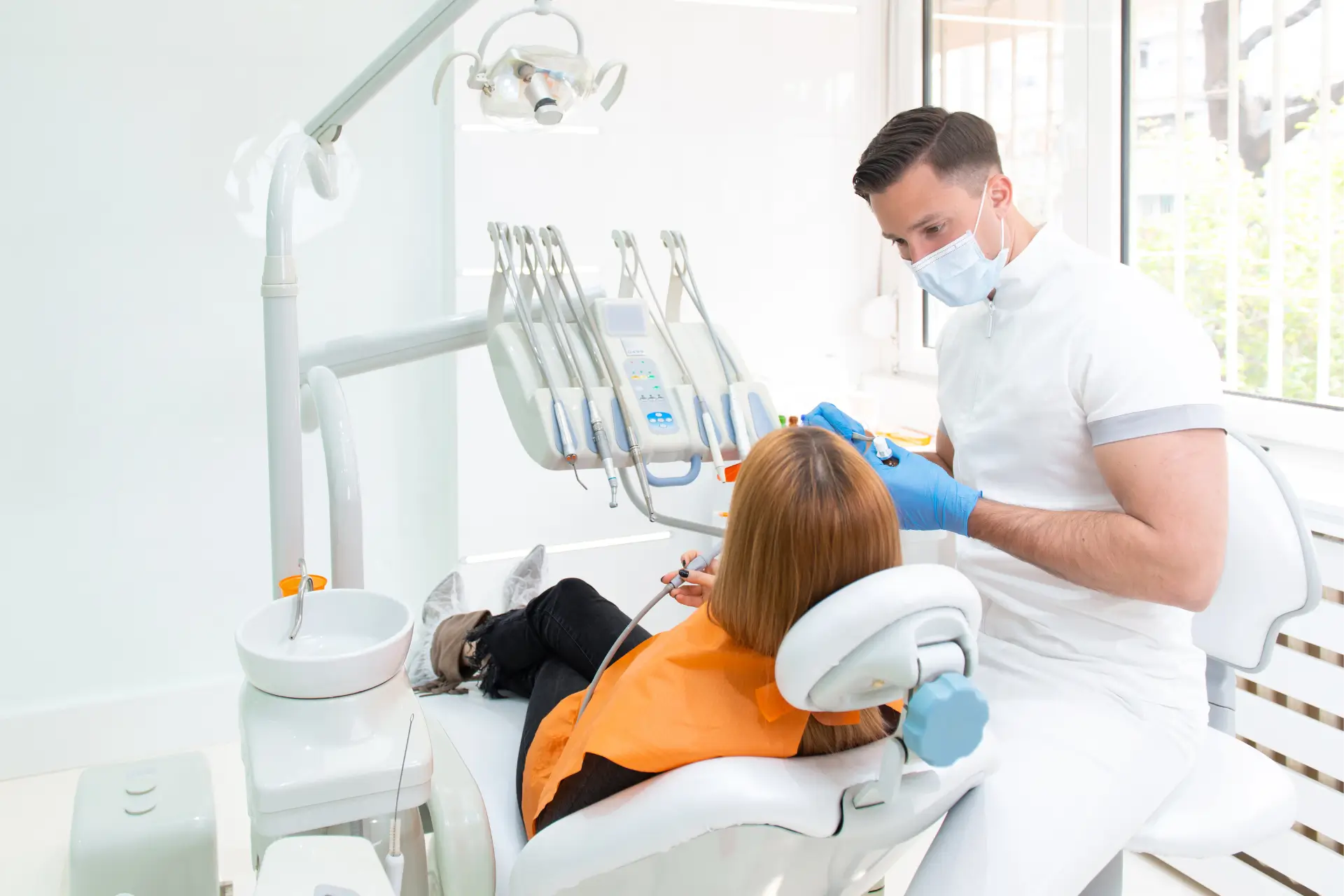
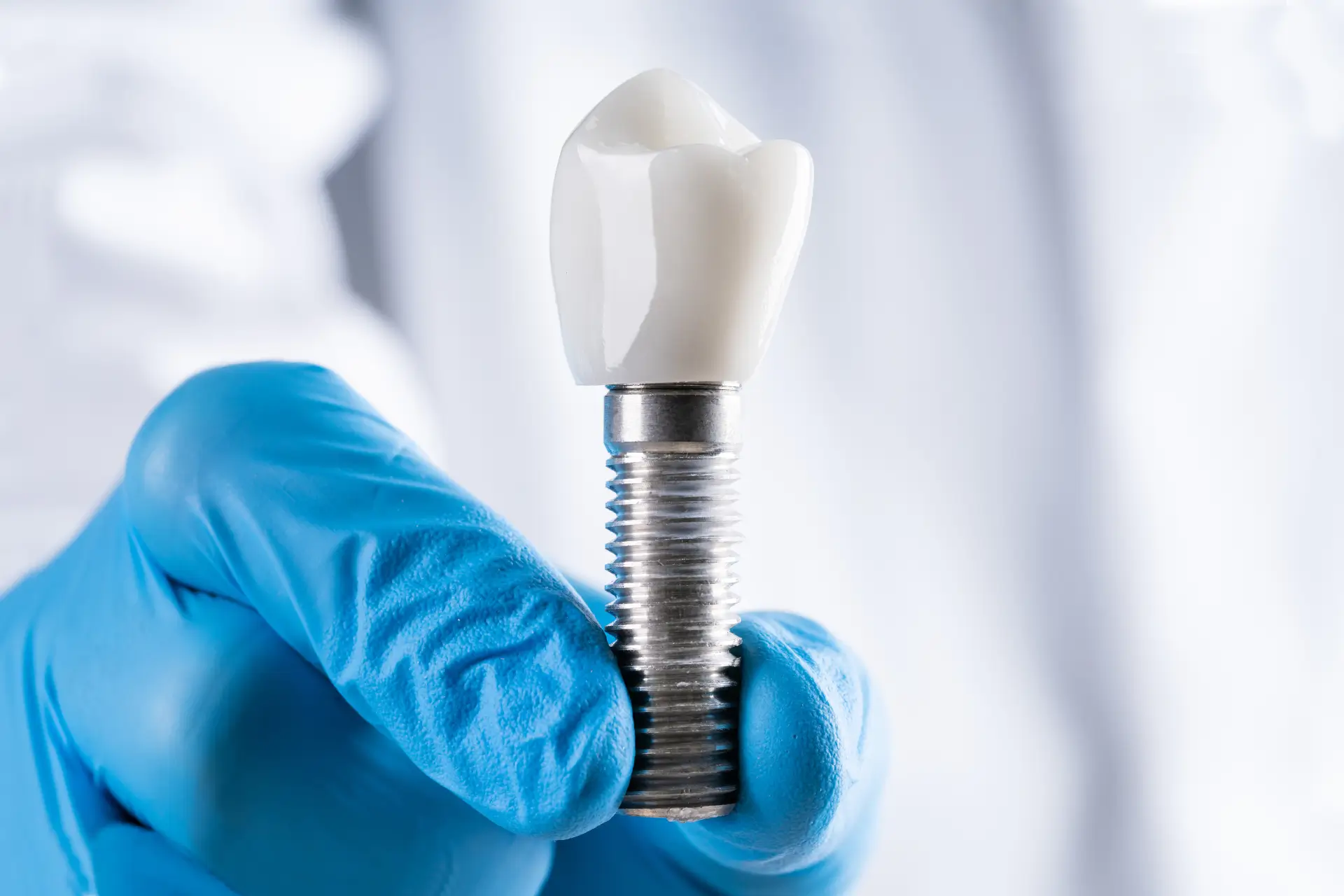
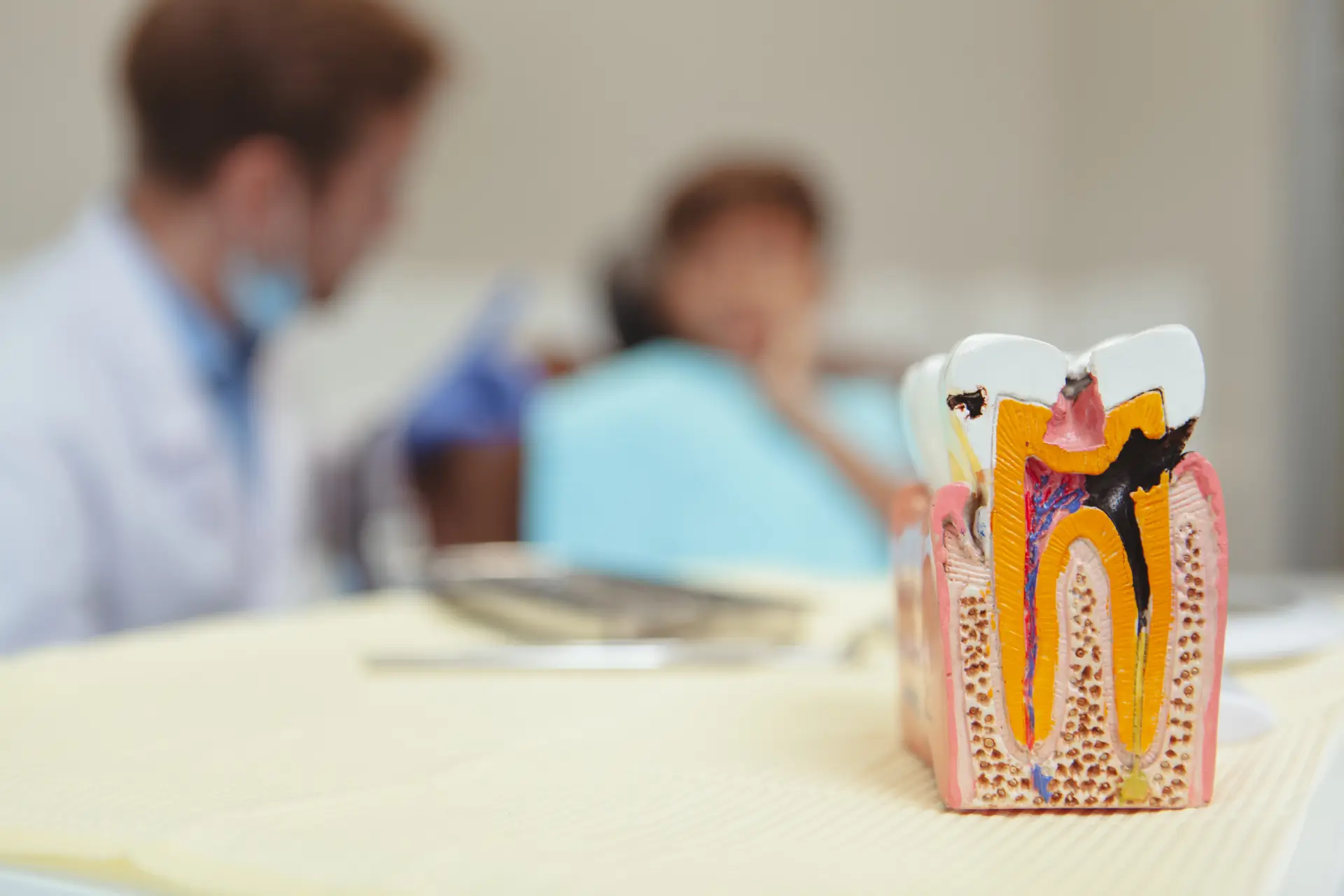
A dental emergency rarely arrives at a convenient hour. It tends to happen in the middle of dinner, during a weekend soccer game, on the way to work, or just before bed when every office seems closed. In Plano, I have seen the same pattern over and over. People wait a little too long because they are not sure whether the problem is truly urgent, then the pain spikes, the swelling grows, or the bleeding does not stop. At that point, the question becomes very practical: what actually happens once you walk into an emergency dental appointment?
The short answer is that an emergency visit is built around speed, safety, and pain control. The dentist is not trying to complete every ideal treatment in one sitting. The first goal is to stabilize the situation, identify the cause, rule out anything dangerous, and decide what needs to happen now versus what can wait for a follow-up. That distinction matters. A cracked molar, a facial swelling, a knocked-out front tooth, and a lost crown can all count as urgent, but they do not move through the chair in the same way.
If you are looking for a Dental Emergency Plano TX practice, it helps to know what the visit usually looks like before you ever need one. Familiarity takes some of the fear out of a bad day.
The first few minutes are about triage
When you call an emergency dental office, the staff will usually ask a focused set of questions. They are trying to answer three things quickly: how severe your symptoms are, whether your condition sounds time-sensitive, and whether you should come to a dental office or head to an emergency room instead.
If you describe uncontrolled bleeding, rapidly increasing facial swelling, trouble breathing, trouble swallowing, or trauma involving possible jaw fracture, you may be told not to wait for a dental chair. Those symptoms can move beyond dentistry and into a medical emergency. If, on the other hand, you report a severe toothache, a broken tooth, a knocked-out tooth, a lost filling, or localized swelling, the office will usually try to fit you in as soon as possible.
That first phone conversation is not just scheduling. It is part of the emergency assessment. A good front desk team knows how to slow a panicked caller down and gather details that matter. Which tooth hurts. When the pain started. Whether the pain is sharp, throbbing, or triggered by cold. Whether there was an accident. Whether there is swelling, fever, or a bad taste in the mouth. Whether the patient is taking blood thinners, antibiotics, or pain medication already.
In many cases, you will also receive simple instructions before arrival. If a tooth has been knocked out, you may be told to place it in milk or saline and avoid scrubbing the root. If a crown came off, you may be told to keep it and bring it in. If swelling is present, you may be advised to use a cold compress and avoid placing aspirin directly on the gums, which is still a surprisingly common mistake.
Some emergencies are dental, some are medical
This is one area where patients often guess wrong. Severe dental pain can feel dramatic, but not every dramatic symptom belongs in a hospital. At the same time, some people try to tough out symptoms that really should be seen immediately in an ER.
A dentist in Plano can usually treat tooth fractures, painful cavities, abscessed teeth, lost restorations, soft tissue injuries inside the mouth, and many forms of trauma involving teeth. But a dental office is not the right setting for airway compromise, major facial trauma, severe infection spreading into the neck, or uncontrolled bleeding after a serious accident.
Here is a simple guide patients often find useful:
- Go to the ER or call 911 if you have trouble breathing, trouble swallowing, uncontrolled bleeding, or severe facial trauma.
- Seek urgent dental care the same day for a knocked-out tooth, significant tooth pain, swelling near a tooth, or a broken tooth with exposed nerve pain.
- Call promptly, even if pain is mild, for a lost crown, chipped tooth, broken filling, or gum irritation that does not improve.
- If you are unsure, call the dental office and describe symptoms clearly. Triage over the phone is common and helpful.
That sorting process can save time, money, and unnecessary stress.
What check-in usually involves
Once you arrive, the check-in process is often shorter than a standard routine appointment. No one wants a patient with a throbbing jaw sitting through a long stack of paperwork if it can be helped. Still, the office needs enough information to treat safely.
Expect questions about allergies, medications, medical conditions, and pain level. If you have diabetes, heart conditions, immune suppression, recent surgeries, pregnancy, or a history of reactions to numbing medication, the dentist needs to know that right away. Those details influence everything from anesthetic choice to whether antibiotics make sense.
Insurance may be reviewed, but emergency visits tend to put diagnosis before administration. In many offices, the clinical team starts gathering information while the front desk handles benefits in parallel. That is one of the differences between an emergency slot and a routine hygiene visit. The flow is less formal because the priority is getting the patient comfortable and understanding what is going on.
The exam is targeted, not leisurely
An emergency dental exam is focused by design. The dentist is not doing a full-mouth cosmetic consultation while you are clutching one side of your face. They are narrowing the field.
They will usually ask when the pain began, whether it wakes you up, whether it gets worse with biting or temperature, and whether the pain lingers after a cold drink. Those answers can point toward different causes. Lingering temperature pain often suggests pulpal inflammation. Pain on release after biting may point to a crack. A bad taste with swelling can suggest drainage from an infected tooth or gum pocket.
The physical exam may include tapping on teeth, checking gum tissue, looking for fractures, testing mobility, and examining the bite. If there was trauma, the dentist may also inspect lips, cheeks, and tongue for lacerations or embedded fragments. It is not unusual for a chipped tooth to leave behind a small enamel fragment in the lip after an accident.
X-rays are a standard part of many emergency visits because pain does not always announce its source clearly. A periapical film can show infection near the root, a deep cavity, bone changes, or trauma. A panoramic image may be useful if multiple teeth are involved, if wisdom teeth are suspected, or if jaw injury is part of the picture. Not every crack appears on an x-ray, which is why the exam and the history matter just as much as the image.
Patients sometimes worry that they are being sold diagnostics when they are already in pain. In reality, the wrong treatment can make an emergency worse. Draining a swollen area without understanding where the infection started, or filling a tooth that really needs root canal treatment, creates more problems than it solves.
Pain relief starts early, but diagnosis still comes first
One of the biggest frustrations patients bring into an emergency appointment is the fear that they will be told to wait, endure, or come back later without relief. A well-run emergency visit should address pain early, even when the definitive treatment must be staged.
That may mean local anesthetic to numb the area before a longer exam. It may mean smoothing a sharp broken edge that is cutting the tongue. It may mean placing a temporary sedative dressing in a painful tooth, adjusting the bite on a high restoration, draining a localized abscess, or recementing a crown that has left exposed dentin painfully sensitive to air.
Still, the dentist has to make judgments. Antibiotics do not fix every toothache. If the pain comes from an inflamed nerve inside a tooth without swelling or spreading infection, antibiotics often do little. On the other hand, if there is facial swelling, fever, or clear evidence of infection, medication may be part of the treatment plan. That distinction is one reason good emergency dentistry is more than writing a prescription.
I have seen many people arrive after several days of trying home remedies. Clove oil, salt rinses, over-the-counter numbing gels, leftover antibiotics from an old medical issue, even adhesive from a home repair kit to stick a crown back in place. Some of those measures are harmless. Some complicate the visit. Superglue on a crown is one of the harder situations to undo cleanly, and it happens more often than most patients would guess.
What treatment might happen that same day
A true emergency visit often falls into one of two categories: definitive treatment can be completed now, or temporary treatment is done now with a return visit scheduled soon.
When the problem is straightforward, same-day treatment is common. A lost filling can often be replaced. A crown may be recemented if it still fits and the underlying tooth is sound. A small chip may be smoothed or bonded. An irritated gum area may be cleaned and treated. A simple extraction may be done if the tooth is beyond saving and conditions are favorable.
When the tooth is badly infected or the nerve is inflamed, the dentist may recommend emergency root canal treatment or the first stage of it. The goal in that moment is pressure relief and infection control, not necessarily a polished final restoration. In practical terms, that may mean opening the tooth, removing infected tissue, disinfecting the canal space, and placing a temporary seal until a full follow-up can be completed.
Cracks can be trickier. A cracked tooth is one of the most frustrating emergency diagnoses because symptoms can be inconsistent. Some cracks can be stabilized with a temporary crown or bonded restoration. Others reveal that the tooth is split in a way that cannot be predictably saved. This is where experience shows. A dentist has to balance optimism with honesty and avoid promising too much on a first urgent visit.
Trauma cases, especially involving front teeth, carry a different kind of urgency. Time matters. A knocked-out permanent tooth has the best chance if it is replanted quickly, ideally within an hour, though outcomes vary based on handling and root condition. An avulsed baby tooth, by contrast, is generally not replanted because of the risk to the developing adult tooth underneath. Parents are often relieved to learn that the same dramatic injury is handled differently depending on the child’s age.
Costs, timing, and why emergency care is often staged
Patients often assume an emergency appointment will produce one neat, final answer in a single block of time. Sometimes it does. Often it does not, and that is not a sign of poor care.
Emergency dentistry deals with swollen tissue, limited time slots, uncertain restorability, and patients who may not be ready physically or financially for full treatment in one day. If a tooth is badly decayed under an old crown and the area is acutely inflamed, the dentist may need to get you comfortable first and then revisit long-term options after the acute symptoms settle.
That can feel unsatisfying if you came in hoping to “just fix it.” But dentistry is full of situations where the safest first step is not the most glamorous one. A temporary crown, pulpotomy, drainage, smoothing, or sedative filling may buy time for a more durable decision. In my experience, patients appreciate this more when it is explained plainly: today we stop pain and control risk, then we rebuild properly.
Emergency fees vary by office and by what is actually done. There is usually a charge for the exam and x-rays, then separate fees for treatment such as extraction, root canal therapy, recementation, temporary restoration, or sedation if needed. Insurance may cover part of this, but coverage differs widely, and emergency slots do not erase standard limitations or deductibles. Clear communication matters here. No one likes being in pain and financially surprised at the same time.
What the dentist is really evaluating behind the scenes
From the patient’s perspective, the visit may feel like a blur of questions, x-rays, numbing, and a short explanation. Behind the scenes, the dentist is making a series of fast professional judgments.
Is the tooth restorable, or will treatment only delay the inevitable? Is the pain actually coming from this tooth, or is it referred from a different one? Is the swelling localized enough for office management, or does it look like infection is moving through deeper facial spaces? Can the patient open widely enough to treat comfortably? Is there enough time in the schedule to finish safely today, or is a temporary measure the wiser choice?
These questions are not theoretical. They influence whether you leave with a permanent repair, a temporary fix, a referral, a prescription, or a treatment plan for the next day. In the best emergency practices, that judgment is calm and efficient. The room does not need drama. It needs clarity.
If sedation is discussed, it is usually for comfort and cooperation
Many emergency visits are completed with local anesthetic alone. That remains the backbone of urgent dental pain control. But not every patient can tolerate treatment easily, especially if anxiety is high, pain has built for days, or the procedure is more involved.
Some Plano practices offer nitrous oxide, oral sedation, or other comfort measures depending on the case and the patient's medical history. The purpose is not luxury. It is to help the patient get through necessary treatment safely. A severely anxious patient may tense up, move unpredictably, or defer treatment entirely, which can worsen the condition and lead to a more expensive or invasive problem later.
That said, sedation is not always available on demand in every emergency slot. Medical screening, transportation arrangements, and the office’s capabilities all affect what can be offered on short notice.
The aftercare conversation matters more than most people expect
The actual chair time may be brief, but the instructions afterward often determine whether the next forty-eight hours improve or unravel. Patients in pain do not always remember verbal directions well, so written instructions are valuable.
A few of the most common aftercare points include the following:
- Take medications exactly as prescribed and do not stop antibiotics early unless the dentist or physician tells you to.
- Avoid chewing on a temporarily treated tooth until you know it is stable and numbness has fully worn off.
- Use cold compresses for swelling in the first day when recommended, and follow advice about rinsing, brushing, and activity.
- Return promptly if swelling increases, fever develops, pain escalates sharply, or a temporary restoration comes out.
- Keep the follow-up appointment even if you feel much better. Relief is not the same as resolution.
That last point is where many emergencies circle back. The painful pressure is gone, the patient sleeps, life gets busy, and the temporary fix turns into six months of delay. Then the office sees the same person again, now with a fracture below the gumline or a larger infection that could have been prevented.
What tends to surprise first-time emergency patients
The biggest surprise is that pain severity does not always match damage level. Some tiny cracks are excruciating. Some deeply decayed teeth barely hurt until an abscess forms. Another surprise is how often the final answer depends on the health of the remaining tooth structure, not just the presence of infection.
People are also often surprised by how quickly relief can come once the source is identified. A patient who arrives unable to speak normally from throbbing molar pain may feel dramatically better after local anesthetic, pressure release, or a simple bite adjustment. Emergency dentistry is one of the areas where a relatively small intervention can make a huge difference within minutes.
There is also the emotional side. Dental pain has a way of shrinking a person’s world. It affects sleep, concentration, appetite, work, and patience. By the time many patients present, they are not just hurting. They are exhausted. A good emergency visit recognizes that. Professionalism here is not only technical skill. It is the ability to explain calmly, treat efficiently, and avoid making an already stressed patient feel judged for waiting or for being scared.
Choosing the right office before you need one
If you live locally, it is smart to know where you would go before an emergency starts. Search terms like Dental Emergency Plano TX exist for a reason. Patients need fast access, clear communication, and realistic same-day options. When comparing offices, look for practical signals: emergency appointment availability, in-house imaging, experience with extractions and root canal triage, transparent financial policies, and a staff that can answer urgent questions without sounding scripted.
It also helps to know whether the office treats children, whether they offer after-hours guidance, and whether they can coordinate referrals when a case needs a specialist. Not every dental emergency belongs in a general office alone. Complex facial trauma, difficult endodontic anatomy, or surgical wisdom tooth issues may require collaboration.
The best time to learn those details is not while holding a washcloth to your jaw at 10 p.m.
What a successful emergency visit really looks like
A successful visit does not always mean every problem is permanently solved that day. More often, it means the dangerous things were ruled out, the painful things were calmed down, and the next step became clear. You walked in uncertain and uncomfortable. You walked out with answers, relief, and a realistic plan.
That is the real purpose of emergency dental care in Plano or anywhere else. It turns a chaotic, painful situation into something manageable. When the office does its job well, https://www.google.com/maps?cid=3400863401963185373 the experience feels less like a crisis and more like a sequence: triage, diagnosis, stabilization, treatment, follow-up. Patients remember the relief, but the structure behind that relief is what makes it possible.
If you ever find yourself needing a Dental Emergenc visit in Plano, TX, knowing that process ahead of time can make the entire experience less intimidating. Pain may be urgent, but good emergency care is not rushed in the careless sense. It is focused, practical, and designed to get you through the worst part safely.
Vitality Dental
Address: 1220 Coit Rd #106, Plano, TX 75075
Phone number: +19726454100
FAQ About Dental Emergency Plano TX
What can the ER do for a tooth?
An emergency room (ER) can manage pain and treat severe infections with medication, but it cannot fix or pull a tooth.
What is considered a dental emergency?
A dental emergency is any oral health problem that involves severe pain, uncontrollable bleeding, or an infection that threatens your health or requires immediate care to save a tooth.
Is there a 24-hour dental service in Plano, TX?
There is no physical dental clinic in Plano, Texas, that stays open with walk-in staff 24 hours a day, but several offices offer 24/7 phone support, late-night hours, or same-day emergency care.