What an Emergency Dentist Can Do for Sudden Bite Problems

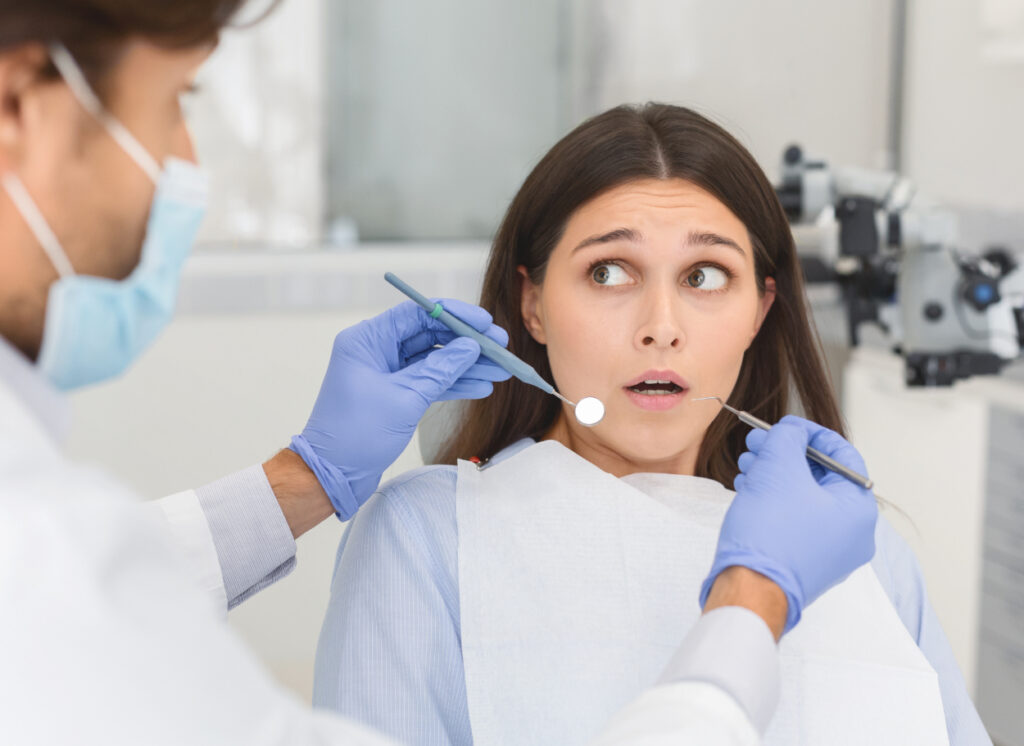
A bite can feel stable for years, then change in a single afternoon.
Someone bites into a crusty piece of bread and suddenly the back teeth hit first. A filling that seemed fine the day before now feels like a pebble lodged between two molars. A person wakes up after clenching all night and notices that the front teeth no longer meet the same way. Sometimes there is pain. Sometimes there is only the unnerving sense that the teeth are landing in the wrong order, as if the jaw has forgotten its usual path.
That kind of change is more than an annoyance. A sudden bite problem can make chewing difficult, strain the jaw joints, trigger headaches, and turn a minor issue into a cracked tooth or inflamed nerve if it is ignored. This is where an Emergency Dentist becomes particularly valuable. Emergency care is not limited to dramatic injuries and swelling. It also includes urgent bite disturbances, especially when the change is abrupt, painful, or linked to a recent dental treatment, trauma, or broken tooth.
In practice, bite emergencies often sit in a gray zone. Patients wonder whether they are overreacting because they can still talk and function. Yet many of the cases that become larger, more expensive problems start exactly this way, with a small interference that keeps hitting first every time the mouth closes. Teeth do not tolerate repeated overload very well. One point of premature contact can inflame the ligament around a tooth, loosen a restoration, chip enamel, or aggravate the muscles that guide the jaw.
Understanding what an emergency dentist can actually do helps remove some of the uncertainty.
When a bite problem becomes urgent
Not every imperfect bite needs same-day treatment. Teeth are not machine parts, and slight variations can happen from day to day, especially after dental work, sinus pressure, or a night of heavy grinding. The urgency rises when the change is sudden, obvious, and tied to symptoms.
A bite problem usually deserves prompt attention if you cannot close comfortably, if one tooth now hits much harder than the others, if chewing causes sharp pain, or if the change appeared right after an accident or recent dental procedure. Swelling, broken restorations, difficulty opening fully, or a jaw that seems shifted to one side can also move the problem into emergency territory.
One common scenario is the high filling or crown. A patient leaves the office feeling slightly numb, the bite seems acceptable, and then a few hours later the restored tooth starts taking the full force of every closure. By the next morning, that tooth may feel bruised or elevated. Another common situation is a cracked cusp on a molar. The person may describe a sudden sense that something changed “mid-bite,” followed by pain when releasing pressure. In both cases, waiting several weeks is rarely wise.
Signs that should not wait
- A new bite change after trauma, such as a fall, sports hit, or blow to the jaw
- Sharp pain on chewing or when letting go after biting down
- A tooth, filling, crown, or bridge that feels suddenly higher than everything else
- Trouble closing the teeth together without shifting the jaw to one side
- Swelling, looseness, or a cracked tooth along with the bite change
These are not subtle cosmetic concerns. They suggest that a tooth, restoration, jaw joint, or surrounding tissues may be under abnormal stress.
What causes a sudden change in your bite
From the patient’s point of view, all sudden bite problems feel similar. The teeth no longer fit properly. From the dentist’s point of view, the causes vary quite a bit, and the treatment depends on identifying the real source rather than just smoothing whatever feels inconvenient.
A surprisingly large number of urgent bite problems are mechanical. A new filling can be a fraction of a millimeter too high. That sounds trivial, but the mouth is sensitive enough to notice it immediately. A crown may shift, a temporary may wear unevenly, or a piece of old filling may fracture and leave a sharp edge or unsupported spot. A cracked tooth can flex under pressure and create the feeling that the bite has gone off overnight.
Inflammation is another major cause. When the ligament around a tooth becomes irritated, the tooth can feel “tall.” Patients often say, “It feels like that tooth grew overnight.” It did not, of course, but inflammation can make it slightly more mobile and much more tender, which changes how the bite is perceived and how the jaw reflexively closes. This may happen after grinding, trauma, or an infection around the root.
Then there are jaw-related causes. The bite is not determined by teeth alone. It depends on how the jaw joints, muscles, and disc structures are functioning. A jaw that spasms or shifts can produce a bite change that has nothing to do with a high filling. People who clench during stress sometimes wake with an altered contact pattern because their muscles are guarding and pulling the jaw into a different path. An emergency dentist may be the first clinician to sort out whether the issue is dental, muscular, joint-related, or some combination.
Less commonly, sinus pressure in the upper back teeth, erupting wisdom teeth, or periodontal swelling around a tooth can distort the way the bite feels. That is why a careful exam matters. The sensation alone does not tell the whole story.
What an emergency dentist looks for first
When someone presents with a sudden bite problem, the first task is triage. Is there a crack that threatens the tooth? Is there trauma to the jaw? Is there an infection brewing under what seems like a simple occlusal complaint? Emergency diagnosis tends to move quickly, but it should never be casual.
The appointment often begins with a practical history. When did the bite change? Was there recent dental work? Was there a specific moment when something cracked or shifted? Does the pain happen when biting down, when releasing pressure, or even at rest? Has the jaw locked, clicked, or deviated? Those distinctions matter. Pain on release, for example, often raises suspicion of a crack. Constant throbbing may point more toward pulpal inflammation. A jaw that must slide sideways to find a comfortable closing position suggests an interference or muscle guarding.
The clinical exam usually includes checking individual teeth for mobility, tenderness, fracture lines, failing restorations, and gum swelling. Articulating paper, the colored paper used to mark bite contacts, can reveal whether one area is hitting prematurely. Dentists may also have the patient bite on a cotton roll or a small testing device to isolate a painful cusp. If trauma is involved, they will evaluate the jaw opening pattern and palpate the joint and muscles.
X-rays are often helpful, though they do not show everything. A cracked tooth may evade imaging. A slightly high restoration certainly will. Still, radiographs can reveal root fractures, abscesses, deep decay under a filling, widening of the ligament space, or other clues that influence urgent treatment.
Good emergency care is partly about speed and partly about restraint. The dentist needs to relieve the immediate problem without performing irreversible changes too quickly if the diagnosis is still evolving.
The most common treatments for sudden bite problems
The treatment could be very simple, or it could be the first step in a larger plan. What matters in the emergency setting is reducing pain, removing damaging forces, and stabilizing the situation so the tooth and jaw are protected.
If the problem is a high filling, crown, or temporary, the emergency dentist can adjust the restoration. This is usually a precise reshaping of the contact points, followed by repeated bite checks in different movements. When done well, the relief can be immediate. Patients are often surprised by how small the adjustment seems, considering how disruptive the bite felt.
If a crown or bridge has shifted or come loose, recementation may be possible if the underlying tooth and restoration are intact. If not, the dentist may place a temporary solution to protect the tooth until definitive treatment can be completed. A broken filling can sometimes be smoothed and patched the same day. In other cases, it needs replacement.
When a tooth is cracked, the emergency goal is often stabilization. That may involve smoothing a fractured edge, reducing the biting pressure on that cusp, placing a sedative or temporary covering, or preparing the tooth for a crown if the damage pattern supports saving it. Not all cracks are equal. Some are minor cusp fractures with excellent prognosis once restored. Others extend in ways that make the tooth unpredictable or non-restorable. Emergency care helps define which kind you are dealing with.
If the pulp inside the tooth is inflamed or infected, bite adjustment alone will not solve the problem. The emergency dentist may relieve pressure by opening the tooth for drainage, prescribing medication when indicated, or starting root canal-related treatment if appropriate and feasible. If swelling is present, the approach becomes more urgent.
For jaw muscle spasm or acute clenching-related problems, the treatment may be more conservative. The dentist might smooth a triggering interference, recommend a temporary soft diet, advise anti-inflammatory measures if medically appropriate, and discuss a night guard once the acute phase settles. Some cases benefit from a short-term appliance. Others need referral if the joint itself appears to be the primary problem.
What an emergency visit may include
- Bite analysis with articulating paper and selective adjustment if a restoration is high
- Evaluation of cracked teeth, broken fillings, loose crowns, or displaced dental work
- X-rays to check for root problems, infection, trauma, or underlying structural damage
- Temporary stabilization, such as recementing, smoothing rough edges, or placing a protective material
- Pain relief planning, with guidance on chewing, jaw rest, and follow-up care
This is one reason emergency dental care can be so effective. The first visit does not always need to finish the entire case. It needs to stop the situation from getting worse.
Why a small bite interference can cause outsized pain
People often feel embarrassed when they seek urgent care for what seems like a minor discrepancy. Then the dentist makes a tiny adjustment and the symptoms improve dramatically. This is not unusual.
The teeth and their supporting ligaments are richly innervated. They are designed to sense pressure with remarkable precision. That sensitivity protects the dentition during chewing, but it also means the mouth reacts strongly when force is concentrated on the wrong spot. One high point can trigger a chain reaction. The overloaded tooth becomes tender. The muscles tense to avoid it. The jaw starts sliding into a compensation pattern. Then the joints or temples begin to ache as well.
A practical comparison I use with patients is a pebble in a shoe. The pebble may be small, but every step reminds you it is there. With the bite, every swallow and every closure can repeat the irritation hundreds or thousands of times a day. A problem that appears minor on paper can become exhausting in real life.
There is another reason these issues deserve respect. Repeated trauma to a tooth can create symptoms that resemble infection or fracture, and vice versa. Until the force is removed and the tooth is reassessed, it can be hard to predict whether the pulp will calm down or continue deteriorating. That is why prompt adjustment and follow-up are so important.
Sudden bite changes after dental work
This is one of the most frequent reasons people search for an Emergency Dentist. The patient has had a filling, crown, inlay, implant crown, or even a simple repair, and the bite feels wrong once the numbness wears off.
Most post-treatment bite issues are fixable. They do not necessarily mean the dentist did poor work. Moisture, tongue position, anesthetic, and the way a person bites when half the face is numb can all affect how accurately the bite is checked at the end of a procedure. A conscientious office expects occasional follow-up adjustments. What matters is that the patient calls promptly and the issue is addressed before the tooth becomes severely inflamed.
The key detail is timing. A bite that feels slightly unfamiliar for a few hours may settle. A bite that still feels distinctly high the next day, especially if the tooth is sore when tapping or chewing, should be rechecked. Waiting “to see if I get used to it” sometimes turns a straightforward adjustment into several days of preventable pain.
Crowns deserve special mention because they can mask underlying problems. A crown that feels high may simply need adjustment, but if it is painful only when biting on a certain cusp or when releasing pressure, a crack in the underlying tooth or a cementation issue may be involved. Emergency assessment helps separate a routine post-op correction from a tooth that needs more protection.
Trauma, sports injuries, and the bite that suddenly feels off
Not all bite emergencies involve obvious broken teeth. After a sports collision or fall, someone may report that “my teeth don’t fit together anymore” even if there is little visible damage. That complaint should be taken seriously.
A displaced tooth can sit slightly out of position and interfere with closure. A bruised ligament can make a tooth feel extruded. The jaw joint itself may be inflamed from the impact, changing the path of closure. In some cases, a fracture in the tooth or surrounding bone is subtle at first. Children and teens, especially, may downplay symptoms after sports incidents and return to normal activity before the injury is properly assessed.
Emergency dentists are accustomed to this pattern. They evaluate not just whether a tooth chipped, but whether the bite relationship changed because a tooth moved, loosened, or absorbed impact. Sometimes treatment is as simple as smoothing an edge and monitoring. Sometimes a splint is needed to stabilize traumatized teeth. Sometimes the person needs referral for maxillofacial evaluation if the jaw or facial bones may be involved.
The danger in “waiting it out” after trauma is that teeth can lose vitality gradually. Early records, x-rays, and pulp testing create a baseline that helps guide later decisions.
When the problem is really the jaw joint or muscles
Patients do not arrive with labels. They arrive saying, “My bite changed overnight.” Occasionally the teeth are innocent.
https://kameronrush297.scriblorax.com/posts/emergency-dentist-care-for-late-night-toothaches-and-swellingA person who clenches hard during stress may wake with fatigued chewing muscles that guide the jaw differently. Another may experience a disc-related joint issue and suddenly feel that only the back teeth touch, or that the jaw deviates before the front teeth can meet. These cases can be frightening because the shift feels dramatic. Emergency dentists often serve as the first stop, ruling out an acute dental cause and identifying when the bite change is secondary to joint or muscle dysfunction.
That distinction matters because aggressive grinding of teeth is not the answer if the jaw position itself is unstable. A thoughtful clinician will avoid irreversible adjustments unless the diagnosis is clear. In acute muscle or joint episodes, supportive care, monitoring, and referral can be more appropriate than extensive reshaping of teeth.
This is where clinical judgment shows. The temptation in bite complaints is to focus on whatever articulating paper marks most darkly. But a heavy mark is not always the true culprit. Sometimes it is just where the jaw is forced to land because something upstream in the joint or muscles has changed.
What you can do before the appointment
If you cannot be seen immediately, your goal is to protect the area and avoid aggravating the problem. Choose softer foods. Chew on the opposite side if that is comfortable. Avoid testing the painful tooth over and over, which is a surprisingly common habit. If a crown or filling feels loose, do not try to glue it back with household adhesive. If there has been trauma, a cold compress can help with swelling on the outside of the face.
Over-the-counter pain relief may help if it is safe for you medically, but medication should not become a substitute for evaluation when the bite has clearly changed. A cracked tooth, for example, can worsen quickly if you continue normal chewing. If the problem started after recent dental treatment, call that office first. Most offices prioritize post-procedure bite checks.
If swelling, fever, facial asymmetry, difficulty swallowing, or inability to open the mouth develops, the urgency rises significantly. At that point, the bite issue may be only part of the picture.
What happens after the emergency appointment
Many sudden bite problems are fully resolved in one visit. A high filling is adjusted, a loose crown is recemented, a fractured edge is smoothed, and the patient leaves comfortable. Others need observation because inflamed teeth and traumatized ligaments do not reset instantly.
It is common for a bruised tooth to remain tender for several days even after the bite is corrected. The force has stopped, but the tissue still needs time to settle. Patients should know this in advance so they do not assume the treatment failed. The trend matters more than the first few hours. Is the pain decreasing? Is chewing becoming easier? Is the tooth less “tall” day by day?
Follow-up can also reveal the true extent of hidden damage. A tooth that seemed merely overloaded may later declare itself as cracked or pulpal. That is not necessarily a mistake in the first visit. It reflects how some dental injuries unfold. Good emergency care includes clear instructions about what to monitor and when to return.
Definitive treatment may involve a new crown, replacement filling, root canal therapy, periodontal care, occlusal guard fabrication, or referral for temporomandibular joint evaluation. The emergency visit stabilizes. The next phase restores predictability.
The value of acting early
The practical benefit of seeing an Emergency Dentist for a sudden bite problem is not just pain relief. It is damage control.
A tiny high spot can inflame a tooth enough to make chewing miserable for days. A cracked cusp caught early may be restored before it splits deeper. A displaced crown may be recemented before decay starts underneath. A trauma-related bite change may identify a tooth that needs monitoring before discoloration or infection appears months later.
I have seen patients wait because the problem felt “too small for an emergency,” only to arrive later with a fractured tooth that had been taking all the force every time they bit down. I have also seen the opposite, people come in worried about a dramatic shift, only to need a very modest adjustment and a few days of caution. Both outcomes support the same point. Sudden changes in the way your teeth meet deserve timely professional eyes.
The mouth is efficient when everything lines up. When it does not, even simple acts like swallowing, speaking, and chewing can become stressful. Restoring a comfortable bite is one of the most immediate, practical things emergency dentistry can do, and in many cases, it prevents a short-lived problem from turning into a complicated one.
Simple Dental Vermont
Address: 8914 S Vermont Ave, Los Angeles, CA 90044
Phone number: +13239493000
FAQ About Emergency Dentist Los Angeles CA
What can the ER do for a tooth?
The emergency room can provide temporary symptom relief for a bad tooth, such as prescribing pain medicine or antibiotics, but it cannot fix the actual dental problem.
What is the 3-3-3 rule for tooth infection?
The 3-3-3 rule for a toothache or infection typically means taking three 200 mg ibuprofen tablets (600 mg total) three times a day for no more than three days to control pain and swelling while waiting to see a dentist.
What do you do if you have a dental emergency but no dentist?
If you have a dental emergency and no regular dentist, you should search for an urgent care dental clinic, call local walk-in dental offices, or go to a hospital emergency room if you have severe bleeding, swelling, or trouble breathing.