How to Stay Motivated Throughout Invisalign Treatment
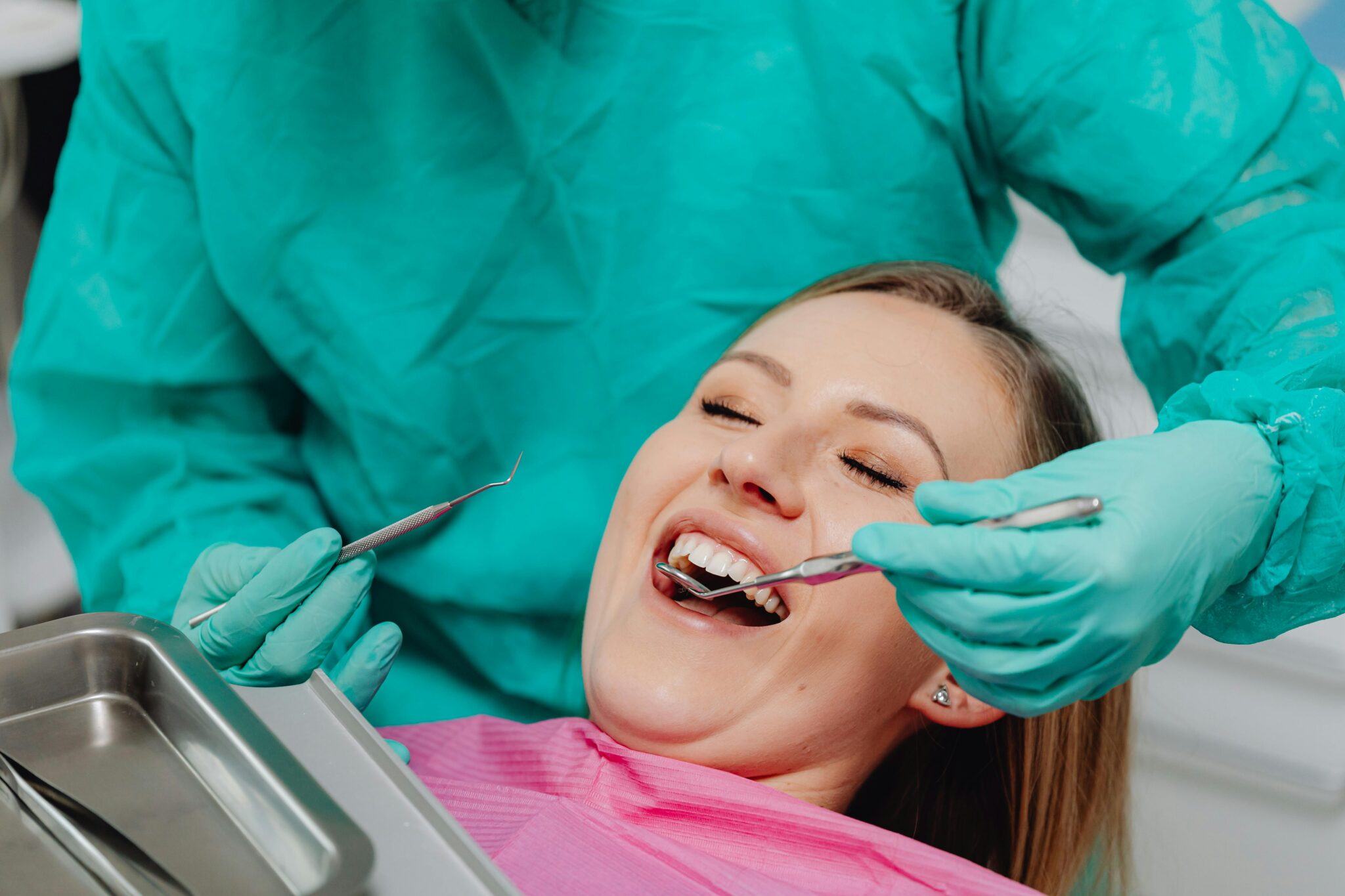

Starting Invisalign often feels exciting for the first few weeks. The aligners are new, the plan is clear, and the idea of seeing your smile change is energizing. Then real life takes over. You have a rushed morning, lunch runs long, coffee sits on your desk all afternoon, and suddenly wearing aligners 20 to 22 hours a day starts to feel less like a fresh start and more like a discipline problem.
That shift is normal.
Most people do not struggle with Invisalign because they lack commitment. They struggle because treatment asks for consistency in the middle of work, meals, travel, social events, stress, and plain old forgetfulness. Motivation matters, but it is not the whole story. What keeps people going through months of aligner changes is a mix of motivation, routine, visible progress, and a few practical systems that make the process easier to live with.
If you are trying to stay on track, it helps to stop thinking of motivation as a constant feeling. It rises and falls. What matters is learning how to protect the habits that carry you through the lower points.
The part no one talks about enough
Invisalign is marketed, fairly, as a convenient and discreet orthodontic option. For many adults and teens, it is far easier to accept than metal braces. But discreet does not mean effortless. The trays need to be worn for most of the day. They need to be removed before eating and, in many cases, before drinking anything besides water. You have to think ahead. You have to brush more often. You have to keep the case with you. If you lose momentum for even a couple of weeks, it can affect how well each set of aligners fits.
That is why motivation often fades in the middle of treatment rather than at the beginning. The novelty wears off before the final result arrives. There is still enough discomfort to be annoying, but not enough visible change each day to feel thrilling. This is the point when people start bargaining with themselves. An hour off here, a skipped wear period there, trays left out during a long dinner, a lazy Sunday morning. None of those moments feel dramatic on their own. Together, they can slow progress and make the next aligner feel tighter than it should.
The good news is that this slump is predictable. Once you expect it, you can prepare for it.
Know what actually drives progress
One of the most motivating things for patients is understanding what the treatment is really asking them to do. Invisalign works through steady, controlled tooth movement. The key word is steady. Teeth respond to consistent pressure over time, not bursts of perfect behavior followed by lapses.
When you wear aligners as directed, each tray does a small piece of work. Sometimes the movement is visible within weeks. Sometimes it is happening in ways only your orthodontist or dentist can measure at first. A gap may start to close, a rotated tooth may begin to straighten, or the bite may shift into a better position. Early stages can be subtle, especially if the changes are happening in the back teeth or in alignment details that improve function before aesthetics.
That subtlety can be discouraging if you are expecting dramatic weekly transformations. A more realistic expectation helps. Think in months, not days. When patients do this, they usually feel less frustrated and more patient with the process.
Stop chasing perfect motivation, build a reliable routine
People who finish Invisalign successfully are rarely the ones who feel inspired every day. They are usually the ones who reduce the number of decisions they have to make.
If you always remove your aligners in the same place, put them in the case immediately, brush or rinse right after eating, and reinsert them as part of the same sequence, you create a routine that runs almost automatically. That matters because motivation is weakest when the day gets messy. Routine survives messy days better than willpower does.
One of the most effective changes I have seen is pairing aligner wear with existing habits instead of treating it as a separate task. Morning coffee can become coffee at one sitting instead of multiple cups over three hours. Lunch can end with a quick rinse before heading back to work. Bedtime can include the same simple check every night: aligners in, chewies used if recommended, case on the nightstand, next tray date confirmed.
This sounds small, but small systems are what make treatment feel manageable.
Make the progress visible
A common reason people lose motivation is that they stop noticing improvement. Human beings adapt quickly. You see your own face every day, so gradual changes can disappear into familiarity. What felt obvious in month one can feel invisible by month four.
The fix is simple. Create visual proof.
Take a photo every one to two weeks in the same lighting, from the same angles. Front view, both sides, and a smile photo are usually enough. You do not need studio quality images. Consistency matters more than polish. Put them in one album so you can swipe through them in order. When patients do this, they are often surprised by what they see. A front tooth that seemed unchanged may have rotated noticeably. Crowding that felt stubborn may already be easing.
Another useful marker is tray fit. If your aligners seat more smoothly now than they did when treatment began, that is progress. If flossing certain teeth feels easier because spacing has improved, that is progress. If a bite issue no longer causes the same uneven contact when you chew, that is progress too.
Visible change is motivating, but so is functional change. Many people focus only on cosmetics and miss the fact that their mouth is already working better.
Break the treatment into shorter wins
A year of treatment sounds long. Twelve more trays sounds long too, depending on your patience. Motivation improves when the time horizon gets shorter.
Instead of staring at the full timeline, focus on the next milestone. That might be getting through this tray with full wear time. It might be making it to the next appointment with no compliance issues. It might be reaching the point where a certain crowded area finally looks straighter in photos.
This is especially helpful during the difficult phases, which can include the first two weeks, refinement stages, or periods when trays feel repetitive. Refinements, in particular, can test morale. Many patients assume the first set of aligners will be the whole story, then feel deflated when additional trays are needed. In practice, refinements are common and often reflect careful treatment, not failure. Teeth do not always move exactly as predicted on a digital plan. Small adjustments are part of getting a better final result.
When people understand that, they take refinements less personally and stay more engaged.
Make discomfort work for you, not against you
Mild soreness is one of the biggest motivation killers, especially after switching to a new set of aligners. It can make you dread tray changes and tempt you to leave aligners out longer than you should. Ironically, inconsistent wear often makes discomfort worse because the teeth keep having to readjust to pressure.
A better approach is to time tray changes strategically. Many people do well changing to a new set at night, just before bed, so they sleep through the first several hours of tightness. Others prefer to switch on a quieter evening when they are not out at dinner or speaking a lot the next morning. If chewies have been recommended, using them properly can help seat the aligners more fully and reduce that floating, awkward feeling.
Cold water can be soothing. Soft foods for the first day can help. If your clinician has said over the counter pain relief is appropriate for you, that may also help during tougher tray transitions. What matters most is not treating short term soreness as a sign that something is going wrong. Some tightness usually means the new tray is doing its job.
Persistent pain, sharp edges, or a tray that will not seat properly are different issues. Those deserve professional attention, not silent endurance.
Protect your treatment during busy days
The people most likely to slip with Invisalign are not always careless. They are busy. Sales reps, nurses, teachers, parents of young children, students during exams, frequent travelers, and anyone who lives from calendar notification to calendar notification often finds wear time slipping in ways that feel almost accidental.
That is why logistics matter.
Keep a spare toothbrush, travel toothpaste, floss picks, and your aligner case in the bag you actually carry. If you commute, keep a backup kit in the car if temperatures allow safe storage for the items involved. If you work long shifts, decide in advance when meals and reinsertion will happen rather than improvising in the moment. If you fly often, pack aligner essentials in carry-on luggage, not https://maps.app.goo.gl/qwemdSbhdbvoCnq5A checked bags.
I have seen more treatment setbacks come from disorganized meal routines than from outright neglect. Someone takes the trays out for lunch, gets pulled into a meeting, then remembers them two hours later wrapped in a napkin. Another person snacks slowly all evening and leaves aligners out because putting them back in between bites feels annoying. These are ordinary moments, but they add up.
You do not need a complicated system. You need one that holds up on your busiest day.
The mental trick that helps most adults
Adults often do better when they stop treating Invisalign like a cosmetic accessory and start treating it like part of healthcare. That shift changes the emotional tone. You are not wearing trays only because you want straighter teeth for photos. You are following a treatment plan that improves alignment, bite function, cleanability, and, in some cases, long term wear on the teeth.
That mindset matters during discouraging stretches. Cosmetic goals can feel abstract when you are tired and hungry at a restaurant. Health goals often feel steadier. If you know your crowded lower front teeth were hard to clean, or your bite was causing uneven pressure, or your spacing was affecting confidence in professional settings, then the daily inconvenience starts to make more sense.
It can also help to remember that orthodontic treatment is temporary. For many patients, Invisalign lasts somewhere around several months to a couple of years, depending on complexity. That can feel long while you are in it, but it is short compared with the number of years you will live with the result.
A few habits that keep motivation from drifting
When motivation dips, practical friction usually needs to come down. These habits help because they remove common points of failure.
- Put aligners back in immediately after meals whenever possible, even if brushing has to wait a short while and your clinician has said a rinse is acceptable in a pinch.
- Keep your case with you at all times, because lost trays and napkin mishaps derail motivation fast.
- Use reminders for tray changes, wear time, and appointments if your schedule is crowded.
- Take progress photos regularly so subtle improvement does not disappear from view.
- If a problem shows up, ask about it early instead of avoiding the issue and getting discouraged.
That list looks basic, but basics carry treatment. Patients usually do not go off track because they lacked advanced orthodontic knowledge. They go off track because simple behaviors stopped being consistent.
Social situations can be more draining than expected
One of the more underestimated parts of Invisalign treatment is the social side. Business lunches, weddings, dates, conferences, long dinners with friends, wine tastings, holiday events, and family celebrations can make aligner wear feel awkward. Even when the trays are discreet, the act of removing them, cleaning your teeth, or deciding whether to snack can create self-consciousness.
Planning reduces that stress. If you know a long dinner is coming, wear the aligners diligently earlier in the day so you have some margin. Excuse yourself to the restroom discreetly if you need to remove them. Carry your case instead of wrapping trays in tissue. If sparkling water or still water is available, you can usually leave the trays in while drinking that. If the event involves coffee, cocktails, or a long meal, accept that you may need to take the aligners out for a period, then get them back in promptly once you can.
The bigger point is this: social friction is normal. It does not mean you are bad at treatment. It means Invisalign is living in the same world you are. When patients expect occasional awkwardness, they cope better and feel less likely to rebel against the whole process.
Teenagers need a different kind of motivation
For teens, motivation usually works better when it is immediate and visible. A distant promise of a future smile is less compelling than a clear reason connected to school photos, sports, prom, graduation, or simply wanting treatment done on time.
Parents often make the mistake of repeating reminders without helping build the structure that makes compliance easier. A teen who forgets aligners during lunch at school may need a better carrying case routine, a spot in the backpack, or a phone reminder after the lunch period. Shame rarely helps. Specific systems do.
For some teens, seeing digital simulations of projected tooth movement is motivating. For others, the strongest incentive is avoiding extended treatment or attachment replacements caused by poor wear. The best approach depends on the person. Some respond to autonomy and ownership. Others need more active supervision for a while.
When progress feels slow, ask better questions
There are times when motivation drops because progress genuinely feels slower than expected. Rather than spiraling into frustration, ask focused questions at your next check-in. Is the current movement one of the slower stages? Are any teeth tracking less predictably? Are refinements likely? Is the bite changing in a way that affects what you see in the mirror right now?
Those conversations matter because visible alignment and actual treatment progress are not always the same thing. Sometimes the front teeth do not look dramatically different yet because the back teeth are being positioned first. Sometimes attachments or elastics are doing important work that is less obvious from the outside. Sometimes a stubborn rotated tooth just needs more time.
Patients usually feel more motivated when they understand why the treatment looks the way it does at a given stage. Uncertainty is draining. Clarity helps.
Know when to get help instead of pushing through
Not every motivation problem is psychological. Sometimes a practical or clinical issue is making treatment harder than it needs to be. If you are dealing with one of these, contact your dental professional rather than trying to guess your way through it.
- A tray will not seat fully even after proper wear and recommended use of chewies.
- You have a cracked or lost aligner and are unsure whether to move forward or go back.
- An attachment has come off.
- Sharp edges, gum irritation, or persistent pain are making normal wear difficult.
- You are consistently falling short on wear time and need a plan that is realistic for your routine.
There is no prize for struggling in silence. Most providers would rather help early than correct preventable delays later.
Rewards work, if you use them well
Some adults feel silly rewarding themselves for healthcare compliance, but behaviorally it makes sense. The reward does not need to be dramatic. It just needs to be specific and linked to effort.
A patient might book a whitening treatment after orthodontic completion, buy professional headshots once the smile reaches a key milestone, or simply allow for a small personal reward after several weeks of strong consistency. For teens, the reward may need to be shorter term. For adults, the reward can be tied to confidence, appearance, or the satisfaction of seeing the plan through.
The caution is that rewards should support the process, not undermine it. A reward built around constant snacking or habits that make wear time harder is not much of a reward at all.
Retainers are part of the motivation story too
One of the most useful ways to stay motivated during Invisalign is to remember that treatment does not end the day the last tray comes off. Retention matters. Teeth can shift after orthodontic treatment if retainers are not worn as directed. That reality can actually sharpen motivation during the active phase. You are not just trying to survive the trays. You are investing in a result you will need to protect.
Patients who understand this usually take better ownership of treatment. They are less likely to view each tray as an annoyance and more likely to see the entire process as a meaningful health and appearance decision with a long lifespan.
That perspective tends to produce steadier effort.
Motivation is easier when the plan fits your life
If there is one pattern that shows up repeatedly, it is this: people stay motivated when the treatment plan feels compatible with their daily life. That may mean switching aligners at a different time of day, tightening meal routines, carrying better supplies, taking progress photos, or having a direct conversation with the orthodontic team about problem areas.
The goal is not to become the perfect Invisalign patient. The goal is to become a consistent one.
Consistency is what moves teeth. Consistency is what keeps treatment from dragging on. Consistency is what turns a process that can feel tedious in the middle into a result that most patients are very glad they pursued.
When motivation fades, return to the basics. Wear the aligners. Shorten the decision-making. Track progress. Solve the friction points. Ask for help early. Most people do not need more enthusiasm. They need a system that keeps working after enthusiasm wears off.
And once that system is in place, the finish line usually feels a lot closer.
Omni Dental Specialty
Address: 1690 E Gonzales Rd, Oxnard, CA 93036
Phone number: +18053666000
FAQ About Invisalign
How much does Invisalign actually cost?
The out-of-pocket cost for Invisalign typically ranges between $3,000 and $8,000, with most patients paying a national average of roughly $5,100 to $5,700 before insurance.
What is the downside to Invisalign?
The biggest downsides to Invisalign are the intense discipline required to wear the trays 22 hours a day, the inconvenience of removing them to eat or drink, and the inability to fix severe, complex orthodontic issues.
Is $5000 a lot for Invisalign?
No, $5,000 is not considered a lot for Invisalign; it is exactly the national average. Treatment costs typically fall between $3,000 and $8,000, and $5,000 is the standard fee for a moderately complex case that takes 6 to 18 months to complete.