How an Emergency Dentist Handles Emergency Root Canal Cases
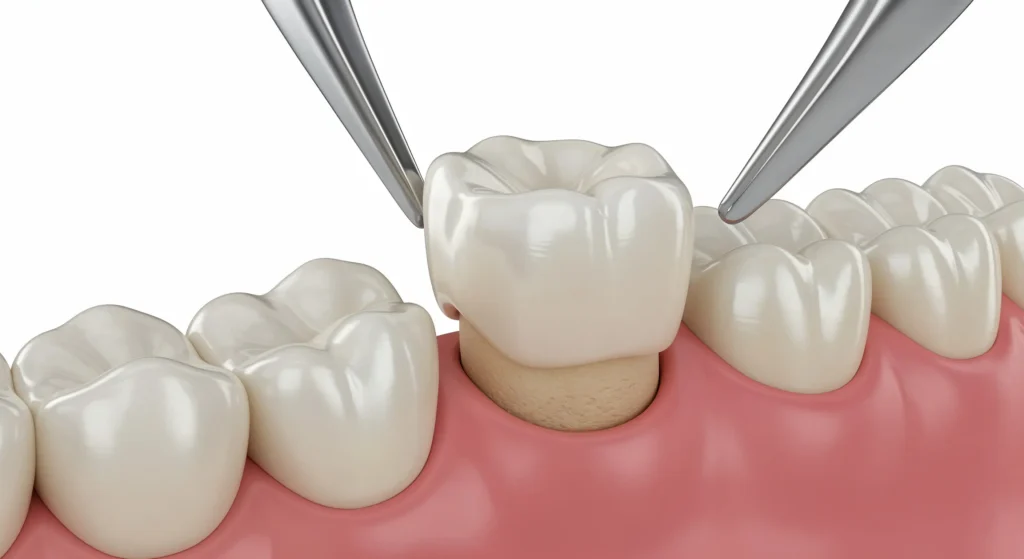

A true dental emergency has a particular look to it. The patient is not just inconvenienced. They are losing sleep, struggling to eat, wincing when they speak, or holding one side of the face because the throbbing has become impossible to ignore. Among the problems that push people to seek urgent care, severe tooth pain tied to an infected or inflamed nerve sits near the top. This is where an Emergency Dentist often has to make fast, careful decisions about whether a root canal is needed right away, whether the tooth can be stabilized for short-term relief, or whether the situation has already moved beyond root canal treatment.
Emergency root canal cases are rarely tidy. The patient may arrive after days of escalating pain. The tooth might have a large cavity, an old filling that failed, a crack hidden below the gumline, or swelling that began overnight. Sometimes the pain is dramatic but the swelling is minor. Other times the patient reports only pressure, yet the infection has already spread enough to distort the cheek or gum. The work of emergency care is not simply to “do a root canal.” It is to diagnose accurately under pressure, reduce pain quickly, control infection, and choose the treatment that gives the tooth the best chance of survival.
What makes a root canal an emergency
Not every tooth that eventually needs root canal therapy qualifies as urgent. Many patients have a tooth with deep decay, sensitivity, or intermittent discomfort that can be scheduled in a standard treatment block. An emergency case is different. The pain is often spontaneous, lingering, or intense enough to wake the patient from sleep. Heat may make it worse. Biting may feel unbearable. In some cases the nerve has already died and the pain shifts from sharp thermal sensitivity to deep pressure, tenderness, and swelling.
A dental pulp, the soft tissue inside the tooth that contains nerves and blood vessels, does not have much room for inflammation. Once bacteria penetrate deeply enough through decay, a leaking filling, trauma, or a crack, pressure builds inside a rigid chamber. That pressure can produce severe pain. If the pulp becomes irreversibly inflamed or infected, the body cannot heal it back to normal. At that point the options narrow to root canal treatment or extraction.
An Emergency Dentist looks for several red flags that elevate the problem from routine to urgent: facial swelling, pus drainage, fever, difficulty swallowing, trouble opening the mouth, pain that does not respond to standard pain relief, or symptoms that are rapidly worsening. A front tooth broken in an accident may also require urgent endodontic treatment even if the pain is modest, because trauma can expose the pulp and create a time-sensitive risk to the tooth.
The first job is not drilling, it is diagnosis
People often assume that if the pain is severe, the dentist will immediately numb the tooth and start treatment. In reality, a rushed procedure on the wrong tooth or the wrong diagnosis helps no one. Referred pain is common in dentistry. A lower molar can make the ear or jaw ache. A sinus issue can mimic an upper tooth infection. Clenching can create pain that feels like a cracked tooth. Gum abscesses, fractured roots, and erupting wisdom teeth can all masquerade as root canal cases.
That is why the emergency visit usually begins with focused questioning and a brief but deliberate examination. A good emergency assessment includes the story behind the pain, because the timeline often reveals the biology. Sharp cold sensitivity that lingers for a minute or more suggests irreversible pulp inflammation. Pain on biting with little temperature response raises suspicion for a crack or infection around the root tip. A tooth that once hurt badly with cold, then suddenly stopped reacting but became tender to pressure, may have moved from an inflamed nerve to a necrotic one.
Radiographs matter, but they do not tell the whole story. Early pulpal disease often causes dramatic symptoms before an x-ray shows much change. On the other hand, a large dark area around the root tip can be visible even when the patient’s pain is surprisingly mild. Testing bridges the gap. The dentist may use cold, gentle tapping, bite testing, palpation of the gum, and probing around the tooth to distinguish pulp pain from periodontal or fracture-related problems.
In emergency settings, practical judgment is everything. If a patient points to one upper molar but the adjacent tooth tests far more abnormally, the dentist has to reconcile the story, the exam, and the x-rays before treating. That kind of restraint prevents one of the most frustrating outcomes in urgent care: performing a root canal access on the wrong tooth while the actual source keeps hurting.
Why anesthesia can be harder in emergency root canal cases
One of the least appreciated parts of emergency endodontic care is that profoundly inflamed teeth are often difficult to numb. Patients usually expect the anesthetic to work quickly and completely. Unfortunately, lower back teeth with “hot pulps” are notorious for resisting standard injections. The acidic environment around inflamed tissue reduces anesthetic effectiveness, and anxious patients tend to interpret every vibration as pain, which compounds the difficulty.
An experienced Emergency Dentist plans for this. They do not rely on a single injection if the case suggests severe irreversible pulpitis. They may combine a nerve block with supplemental infiltration, ligament injections around the tooth, or intraosseous anesthesia that places solution closer to the target site. Sometimes the first priority is calming the pain cycle enough to make numbing possible. A few minutes spent rechecking anesthesia is time well spent if it prevents a traumatic start to treatment.
Patients often remember this part vividly. I have seen people arrive convinced that “nothing works” because of a previous painful dental experience. Once the anesthetic strategy is adjusted and the inflamed chamber is opened carefully, many of them shift from gripping the chair to visibly relaxing within minutes. That change is one of the clearest signs that the diagnosis was correct and the pressure inside the tooth was driving much of the pain.
What actually happens during emergency root canal treatment
A common misunderstanding is that every emergency root canal is completed from start to finish in one visit. Sometimes it is. Often it is not. The exact approach depends on the tooth, the level of infection, the patient’s ability to stay comfortable, available time, and whether a specialist is needed.
The emergency phase usually aims to accomplish several core goals:
- Get the patient comfortable enough to tolerate care.
- Access the pulp chamber and relieve internal pressure.
- Remove infected or inflamed tissue as thoroughly as practical.
- Disinfect the canal space and seal the tooth temporarily or permanently.
- Decide whether the case should be completed immediately, staged, or referred.
If the tooth is straightforward, the canals are accessible, and the patient is doing well, the full root canal may be completed during the urgent appointment. That means cleaning and shaping the canals, irrigating them thoroughly, drying them, and placing the final root filling. In many emergency settings, though, the immediate objective is pulpal extirpation or drainage. In plain terms, the dentist opens the tooth, removes the diseased nerve tissue, reduces bacterial load, and creates a path for pressure release. A medicated dressing may be placed inside before sealing the tooth with a strong temporary restoration.
This staged approach is not a half measure when used appropriately. It is often the safest way to settle an acutely inflamed tooth, especially when swelling, pus, difficult anatomy, or time constraints make same-day completion less predictable. The patient usually notices a meaningful drop in pressure pain once the chamber is decompressed, although some tenderness can linger for a few days because the tissue around the root tip remains inflamed.
When swelling changes the plan
Pain alone is one kind of emergency. Pain plus swelling is another. When infection escapes beyond the tooth and starts spreading into surrounding tissues, the clinical stakes rise. A small localized gum swelling near the root of a tooth may be managed with drainage through the tooth, drainage through the gum, or both. But diffuse facial swelling, fever, malaise, or signs that the patient cannot swallow or open normally demand more caution.
An Emergency Dentist has to distinguish between a dental infection that can be controlled safely in the office and one that needs escalation. This is where experience matters. Antibiotics are not a substitute for removing the source of infection. If the tooth remains sealed around infected tissue and pus has no way to drain, the medication often offers only temporary relief. The mechanical step, opening the tooth or extracting it, is what reduces the microbial burden effectively.
Still, antibiotics do have an important role when infection is spreading or systemic symptoms are present. The mistake is using them reflexively for every toothache. A tooth with irreversible pulpitis but no swelling often hurts intensely, yet antibiotics do little because the problem is inflammatory pressure within a closed pulp, not a diffuse soft tissue infection. Good emergency care means knowing when medicine helps and when it mostly delays definitive treatment.
Not every painful tooth should get a root canal
This may sound obvious, but in urgent care the pressure to “save the tooth at all costs” can cloud judgment. Some teeth are poor candidates for root canal treatment no matter how painful they are. A vertical root fracture, advanced periodontal bone loss, extensive decay below the gumline, or a crack that splits the tooth into multiple segments can make the prognosis poor. In those cases, extraction may be more honest and more predictable than root canal therapy followed by repeated failures.
This is one of the harder conversations in emergency dentistry. Patients often arrive expecting one thing: “Please do whatever saves it.” Sometimes that is possible. Sometimes the professional responsibility is to explain that treatment should not start if the tooth cannot be restored properly afterward. A molar with a deep infection might respond beautifully to emergency pulpal treatment, but if there is not enough healthy structure left to support a crown, the temporary relief will not translate into a durable result.
The best emergency clinicians are clear without being abrupt. They explain the immediate problem, the structural problem, and the long-term outlook as separate issues. Pain can make people agree to anything in the moment. Good consent means helping them understand not only what relieves today’s pain, but what they will still be dealing with three months from now.
The handoff between urgent relief and definitive care
Many emergency appointments are triage plus stabilization. That is not a lesser form of care. It is often exactly what the tooth and the schedule require. After the tooth is opened, drained, medicated, or partially instrumented, the patient may return for completion with the same dentist or be referred to an endodontist if the anatomy is complex.
Molars with narrow, curved, calcified, or extra canals are common examples. Retreatments, where a previous root canal has failed, can be even more intricate. So can teeth with crowns, posts, or unusual root shapes. In a straightforward emergency, the general dentist may complete treatment comfortably. In a more technical case, the wiser move is to relieve pain and infection first, then transition care to a specialist with a microscope and advanced endodontic tools.
Patients sometimes interpret referral as hesitation, but it is usually a sign of sound judgment. There is a real difference between being able to open a tooth in crisis and being able to manage a second mesiobuccal canal in an upper molar hidden under an existing crown while the patient is swollen and exhausted. Urgent care rewards decisiveness, but it also rewards knowing where the line is.
What patients typically feel after emergency treatment
The goal of emergency root canal care is relief, not instant perfection. Most people feel noticeably better once the pressure source is treated, but it is normal for the tooth and surrounding tissues to remain sore for several days. Biting tenderness is especially common because the ligament around the root has been inflamed by infection and manipulated during treatment. If swelling was present beforehand, resolution can take time even when the source is addressed properly.
A realistic aftercare conversation helps a great deal. Patients do best when they know what is expected and what is not. Mild to moderate soreness that gradually improves is common. A bruised feeling on chewing is common. What is not expected is worsening swelling, fever, loss of the temporary filling, or pain that escalates rather than settles.
Here is the short version patients need after an emergency root canal visit:
- Use the recommended pain medication exactly as directed.
- Avoid chewing hard foods on the treated tooth until it is restored properly.
- Keep the follow-up appointment, especially if treatment was staged.
- Call promptly if swelling grows, the bite feels dramatically off, or the temporary breaks.
- Do not assume the tooth is “fixed forever” until the final restoration is placed.
That last point matters more than many patients realize. A root canal-treated tooth, especially a molar, usually needs a well-sealed final restoration and often a crown to prevent fracture and reinfection. Emergency relief is one chapter, not the whole story.
The hidden importance of the temporary seal
If there is one detail that separates solid emergency management from sloppy care, it is the quality of the temporary seal. Once the tooth has been opened and cleaned, the canal system must be protected from saliva and bacteria. A weak temporary that leaks or dislodges can undo a lot of good work. Patients rarely think about this, but dentists do, because contamination is one of the main reasons an initially improved tooth can flare again.
This is why aftercare instructions sound repetitive. Avoid sticky foods. Do not chew ice on that side. Come back if the filling feels loose. Temporary restorations are strong enough for short-term use, but they are not designed for months of normal chewing. I have seen patients feel so much better after emergency care that they postpone the follow-up visit, only to return later with a fractured cusp or recurrent infection because the tooth never received definitive restoration.
Edge cases that make emergency root canal decisions harder
Real-world cases do not always follow textbook patterns. A few scenarios demand especially careful judgment.
Cracked teeth are a prime example. Some can be saved if the crack is limited and the symptoms are mostly pulpal. Others continue to hurt after root canal therapy because the crack extends into the root or allows movement under biting pressure. During the emergency visit, the dentist may only be able to estimate prognosis rather than guarantee it.
Trauma cases can also be complicated. A front tooth may be displaced, fractured, or temporarily nonresponsive to pulp tests right after injury. Immediate root canal treatment is not always indicated on the spot, even if the tooth was hit hard. The timing depends on age, root development, pulp exposure, and signs of necrosis or infection. Emergency care here is less about routine pain management and more about preserving future options.
Medically complex patients add another layer. Someone taking blood thinners, undergoing chemotherapy, or living with uncontrolled diabetes may need modifications to the treatment plan. The dental problem is still urgent, but the systemic context shapes what can be done safely that day.
Why speed matters, but so does restraint
The popular image of emergency dentistry is speed. There is truth in that. People come in pain, and delays are frustrating. But speed without diagnostic discipline creates new problems. The strongest Emergency Dentist is usually the one who moves quickly where it matters and slows down where mistakes are costly.
That means getting the x-rays before drilling. It means checking anesthesia before entering a hot pulp. It means not promising to save a https://gunnervluj426.rivetgarden.com/posts/can-an-emergency-dentist-save-a-tooth-with-deep-decay tooth whose root is fractured. It means recognizing when a spreading infection needs drainage plus medication, and when it needs escalation beyond the dental office. It also means knowing when the kindest thing you can do for a suffering patient is not necessarily to finish every canal that night, but to relieve the pressure, secure the tooth, prescribe appropriately, and arrange definitive care under better conditions.
Patients do not usually remember the file sizes, irrigants, or canal anatomy. They remember whether their pain was taken seriously, whether the explanation made sense, and whether the treatment brought the crisis under control. That is the real standard in emergency root canal care. It is technical work, certainly, but it is also clinical triage, communication, and judgment under pressure.
When those elements come together, emergency treatment can feel almost transformative. A patient who walked in unable to think past the next throb leaves calmer, more comfortable, and with a clear plan. That outcome is not accidental. It is the result of careful diagnosis, effective anesthesia, precise intervention, and a realistic understanding of what emergency dentistry can achieve in a single visit.
Simple Dental Vermont
Address: 8914 S Vermont Ave, Los Angeles, CA 90044
Phone number: +13239493000
FAQ About Emergency Dentist Los Angeles CA
What can the ER do for a tooth?
The emergency room can provide temporary symptom relief for a bad tooth, such as prescribing pain medicine or antibiotics, but it cannot fix the actual dental problem.
What is the 3-3-3 rule for tooth infection?
The 3-3-3 rule for a toothache or infection typically means taking three 200 mg ibuprofen tablets (600 mg total) three times a day for no more than three days to control pain and swelling while waiting to see a dentist.
What do you do if you have a dental emergency but no dentist?
If you have a dental emergency and no regular dentist, you should search for an urgent care dental clinic, call local walk-in dental offices, or go to a hospital emergency room if you have severe bleeding, swelling, or trouble breathing.