How an Emergency Dentist Can Help After a Sports Injury
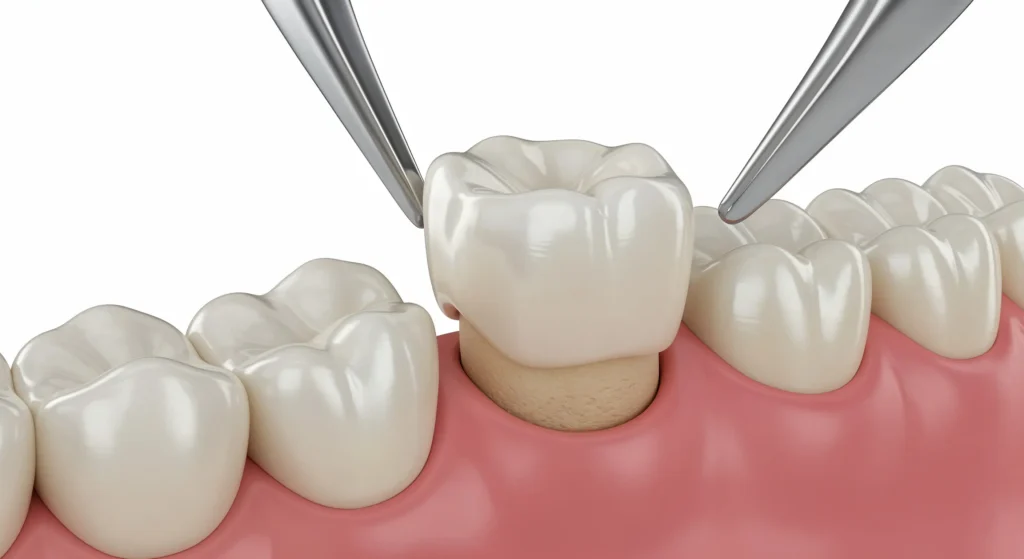
A sports injury can turn from a routine afternoon into a genuine dental emergency in seconds. One awkward elbow under the basket, a collision at second base, a stick to the mouth during hockey, a fall off a bike, and suddenly there is blood, pain, panic, and a tooth that does not look right. In that moment, most people focus on the obvious injury, but damage inside the mouth is often more serious than it first appears.
This is where an Emergency Dentist becomes essential. Sports-related dental trauma rarely follows a neat script. A tooth may be cracked without looking badly broken. A child may complain only of soreness, yet the tooth has shifted in the socket. A lip laceration can distract from the fact that a front tooth has been pushed inward. Fast evaluation matters because the first hour, and sometimes the first few minutes, can affect whether a tooth can be saved, how much pain develops later, and what kind of long-term treatment will be needed.
People often assume a dentist is only useful for toothaches or routine care. In practice, urgent dental treatment after a sports injury is one of the clearest examples of why emergency dental care exists. A well-trained dentist can control pain, assess damage to teeth and surrounding structures, stabilize loose teeth, reimplant an avulsed tooth in some cases, repair fractures, protect exposed nerves, and coordinate further care when the jaw or facial bones may also be involved.
Why sports injuries are different from ordinary dental problems
A cavity usually develops slowly. A sports injury does not. Trauma creates a sudden mechanical force, and that force can affect far more than the visible part of the tooth. Enamel may crack, dentin may splinter, the pulp may be exposed, the periodontal ligament may tear, and the supporting bone may bruise or fracture. Even when a tooth remains in place, the attachment system around it can be damaged.
That is why people are sometimes surprised when a dentist orders X-rays after what looks like a minor chip. The chip may be the least important part of the injury. The root could be fractured. The tooth could have been displaced slightly. The nerve may lose its blood supply, which can lead to pulp death days or weeks later. Experienced emergency dentists know that trauma is dynamic. What happens at the field or court is only the start of the clinical story.
Age also changes the picture. Children and teenagers often have developing teeth and more elastic bone. Adult teeth are more likely to show certain fracture patterns. An athlete wearing braces presents another layer of complexity, because a blow to the mouth can cut soft tissue against the brackets while also moving teeth in unintended ways. A custom mouthguard helps, but it does not make someone injury-proof.
The kinds of injuries an emergency dentist sees most often
The classic sports injury in the dental office is the fractured front tooth. Basketball, baseball, football, soccer, skateboarding, martial arts, and cycling all produce these injuries regularly. Sometimes the break is small and limited to enamel. Sometimes a large section shears off, exposing the inner tooth and causing sharp pain, especially with air or cold water.
Another common problem is luxation, meaning the tooth has been loosened, pushed sideways, intruded into the gum, or partially pulled out. These cases can be deceptively serious. The athlete may say, “It feels weird when I bite,” or “My tooth seems longer.” That description often tells a dentist that the tooth position has changed.
Then there is avulsion, where the whole tooth is knocked out. This is the true race-against-time scenario. Permanent teeth have the best chance of survival when handled properly and reimplanted quickly. Baby teeth are different and are generally not reimplanted, because doing so can harm the developing permanent tooth underneath. Parents do not always know that distinction in the moment, which is one reason immediate professional guidance matters.
Soft tissue injuries are also common. The lips, cheeks, tongue, and gums can be cut, bruised, or punctured by teeth, braces, or sports equipment. These wounds may need cleaning, inspection for tooth fragments, and occasionally suturing. A dentist often finds small enamel pieces embedded in a lip after a collision. If those fragments are not removed, the area can remain tender and inflamed long after the initial swelling goes down.
Jaw pain, limited opening, numbness, or a bite that no longer fits together can suggest a fracture or temporomandibular joint injury. In those cases, an emergency dentist may provide the first assessment and then coordinate with an oral surgeon or hospital-based team if imaging or surgical care is needed.
What to do before you reach the office
The first response matters, especially if the injury involves a permanent tooth that has been knocked out or badly displaced. Calm, practical action gives the dentist the best chance to help.
- Control bleeding with gentle pressure using clean gauze or cloth.
- Find any broken tooth pieces or the whole tooth, and handle it by the crown, not the root.
- If a permanent tooth has come out completely, keep it moist in milk, saline, or inside the cheek if the injured person is old enough to do that safely.
- Use a cold compress on the outside of the face to reduce swelling.
- Call an Emergency Dentist immediately and describe exactly what happened.
There are a few nuances here that matter. A dirty knocked-out tooth should be rinsed briefly with water if necessary, but not scrubbed. Scraping or wiping the root can damage the periodontal ligament cells that are critical for successful reimplantation. If the person is alert and cooperative, some dentists may advise gently placing the permanent tooth back into the socket before arrival. That should only be done if the tooth is clearly identified as permanent and can be positioned correctly without force. If there is any doubt, keeping it moist and getting to the office fast is the safer choice.
I have seen cases where the parent did almost everything right except one small step, like wrapping the tooth in a dry tissue. That dry time can sharply reduce the chance of long-term success. On the other hand, I have also seen excellent outcomes after chaotic accidents simply because someone placed the tooth in milk and got help quickly.
What happens when you arrive at the emergency dental visit
An emergency dental exam after sports trauma is focused, but it is not superficial. The dentist has several urgent questions to answer. Is the tooth restorable? Is the nerve exposed? Is the root damaged? Has the tooth moved? Is there injury to the bone, gums, lips, or jaw? Is the bite stable? Are there signs that medical or hospital care is needed?
The visit https://www.google.com/maps?cid=13657646669204741892 usually begins with a brief history. The exact mechanism of injury matters. A direct blow from a ball creates one pattern. Falling face-first onto concrete creates another. Timing matters too. A tooth examined twenty minutes after injury can look quite different from one seen six hours later after swelling and clotting set in.
The physical exam includes more than a quick glance. The dentist checks tooth mobility, position, bite alignment, gum injury, lacerations, and tenderness to percussion. Pulp testing may be limited immediately after trauma because the nerve response can be temporarily unreliable. Radiographs are often essential. Depending on the case, the dentist may take periapical images, occlusal views, or panoramic imaging, and in some situations refer for a cone beam scan.
This is also where a good emergency dentist helps calm the room. Athletes, parents, and coaches are often shaken and guilty, especially when the injury happened despite precautions. A clear explanation of what is known, what is uncertain, and what needs to happen next makes a real difference. Trauma care is not just technical. It is communication under pressure.
How an emergency dentist treats a knocked-out tooth
When a permanent tooth has been avulsed, the goal is usually to reimplant it as soon as conditions allow. The dentist gently cleans the socket if needed, confirms orientation, places the tooth back into position, and stabilizes it with a splint attached to neighboring teeth. The splint is typically flexible rather than rigid, because a small degree of physiological movement supports healing better in many cases.
Reimplantation is only part of the process. The tooth must then be monitored for pulp survival, root resorption, and periodontal healing. In many mature teeth, root canal treatment may be recommended after reimplantation to reduce the risk of inflammatory resorption. In younger patients with immature roots, the treatment decision can be more nuanced because there may be some potential for revascularization, depending on the circumstances.
Timing and storage conditions strongly influence prognosis. A tooth replanted very quickly, especially within about 30 minutes, generally has a better outlook than one left dry for a prolonged period. But even delayed reimplantation may still be worthwhile in selected cases, particularly for esthetics and preservation of bone contour, so it is rarely smart to assume “too much time has passed” without speaking to a dentist.
When the tooth is cracked, chipped, or pushed out of place
Not every injury is dramatic, but smaller injuries still deserve prompt care. A chipped tooth may only need smoothing and bonding if the fracture is shallow. Once deeper layers are involved, treatment becomes more protective and urgent. Exposed dentin can cause significant sensitivity. Exposed pulp can trigger intense pain and raises the stakes for preserving the vitality of the tooth.
If the tooth has shifted position, the emergency dentist may reposition it and splint it. This is common after lateral luxation or extrusion injuries. These teeth often feel “high” when biting, and leaving them displaced can increase discomfort and jeopardize healing. Prompt repositioning can also reduce the risk of persistent bite problems.
Root fractures require especially careful judgment. Sometimes the crown section is mobile while the fracture line lies deeper in the root. Management depends on where the break is, how mobile the tooth is, and whether the pieces can be stabilized. Patients are often surprised to learn that some root-fractured teeth can be retained, at least for a time, if handled properly.
For fractures that involve the visible crown but not the root, modern restorative materials allow excellent cosmetic repair in many cases. A front tooth broken during sports can often be rebuilt with composite in a way that looks natural under normal lighting. If the original fragment has been saved and remains intact, a dentist may even be able to bond it back on. Those repairs are not always permanent, but they can be remarkably effective.
Pain relief is only part of the job
Most injured athletes want one thing first, relief. An emergency dentist can deliver that, but pain control is only one layer of treatment. The dentist is also trying to prevent infection, preserve tooth structure, protect the pulp, and stabilize the bite.
Temporary protective materials can cover exposed areas and reduce sensitivity quickly. If the pulp is inflamed or exposed, the dentist may recommend immediate endodontic treatment or a pulp-protective procedure, depending on the age of the patient and the nature of the injury. If soft tissues are badly torn, local anesthesia, wound cleaning, and closure may be needed. When teeth are mobile, splinting can transform a patient’s comfort almost immediately because it removes the painful movement that happens with every swallow or word.
There is also a practical side that matters to athletes and parents. Will the athlete be able to return to practice next week? Can they wear a mouthguard during healing? Should they avoid biting into food with the front teeth? These questions are not secondary. Recovery plans work better when they fit real life.
Situations that require a dentist and a hospital
A sports injury can involve both dental and medical emergencies. If there is loss of consciousness, vomiting, confusion, severe facial swelling, difficulty breathing, uncontrolled bleeding, suspected jaw fracture, or concern for head or neck injury, emergency medical care takes priority. A dentist can be part of the follow-up, but not the first stop.
That said, the line is not always obvious. A teenager who took a baseball to the face may be awake and talking, yet have a jaw fracture plus dental trauma. An emergency dentist is trained to notice when the pattern of injury suggests something beyond isolated tooth damage. Referral is not a failure of dental care. It is good trauma judgment.
Follow-up matters more than many people expect
One of the most misunderstood aspects of sports-related dental trauma is that successful same-day treatment does not end the case. A tooth that was saved today may still develop complications months later. Nerve death, discoloration, root resorption, calcification, ankylosis, and changes in gum contour can all emerge over time.
This is why emergency dentists schedule review visits and repeat imaging. A patient may feel fine after a week and assume the problem is over. Clinically, that is often the point when monitoring becomes even more important. Trauma can create delayed consequences that only show up on radiographs or in subtle changes to color and vitality.
Children need especially close follow-up because injuries can affect tooth development and eruption patterns. Adults also face long-term decisions. A front tooth that survives the initial accident may later need root canal treatment, internal bleaching, a veneer, or a crown. The emergency visit sets the foundation, but long-term planning protects the final result.
A brief real-world example
Consider a common scenario: a 15-year-old midfielder collides with another player during a Saturday soccer match. There is lip swelling, a front tooth looks slightly shorter than the one next to it, and the player says the bite feels “off.” There is no dramatic break, no missing tooth, and the family considers waiting until Monday.
At the emergency appointment, the dentist finds an intrusion injury. The tooth has been driven partly into the bone. The lip contains tiny enamel fragments. Radiographs confirm displacement but no obvious jaw fracture. The dentist removes the lip fragments, documents the injury, discusses repositioning options and likely endodontic follow-up, and coordinates monitoring over the coming weeks.
If that family had waited, the tooth would not necessarily have been lost, but the treatment path could have become harder. Swelling, clot organization, and delay complicate management. The difference between “looks okay” and “needs urgent care” is exactly why traumatic dental injuries should not be self-triaged casually.
Prevention is not perfect, but it works
No mouthguard prevents every injury, but good prevention dramatically lowers risk. Custom-fitted mouthguards generally offer better protection, retention, and comfort than generic boil-and-bite versions, especially for athletes in contact sports or anyone wearing braces. Coaching also matters. So does replacing worn-out gear and refusing the habit of “just one quick drill” without protection.
Here are the prevention measures that consistently make the biggest difference:
- Wear a properly fitted mouthguard for games and practice, not just competition.
- Replace damaged or poorly fitting mouthguards promptly.
- Use helmets and face protection where the sport calls for them.
- Do not return to play with unresolved dental pain or a loose tooth.
- Keep the number of a local Emergency Dentist accessible during the season.
There is a broader point here. Prevention is not only about avoiding the injury itself. It is also about being prepared for a fast response. Teams that have basic dental trauma guidance, access to milk or saline on site, and a clear referral plan tend to handle these events more effectively.
Choosing the right emergency dental care
Not every dental office is set up the same way for trauma. If you are evaluating options before your child’s season starts, ask practical questions. Does the office see same-day trauma cases? Do they treat children and adults? Can they manage splinting and urgent restorative care? Do they coordinate with oral surgeons and endodontists when needed? Those details matter more than glossy advertising.
A strong emergency dental practice usually balances speed with judgment. Fast access is crucial, but so is the ability to recognize when conservative care is enough and when more advanced treatment is required. Sports injuries reward experience. Dentists who routinely handle trauma tend to notice the small signs others may miss, a slightly altered bite, a faint infractions line, a mobility pattern that suggests root involvement.
The first goal is to save function, not just appearance
Front teeth naturally draw attention because they are visible. But the real value of emergency dental care after a sports injury goes beyond appearance. The immediate priority is preserving function, managing pain, and protecting long-term oral health. Appearance matters, of course, especially for young athletes, but a beautiful repair on an unstable or infected tooth is not a real success.
An Emergency Dentist helps by making rapid decisions under uncertain conditions. Save the tooth if possible. Protect the pulp when appropriate. Stabilize what is loose. Restore what is broken. Refer what exceeds the office setting. Then monitor carefully. That blend of urgency and restraint is what good trauma care looks like.
A sports injury can be loud and chaotic, but dental treatment after the fact should be calm, precise, and timely. When it is, the outcome is often much better than people fear in the first frightening minutes after the hit.
Simple Dental South Gate
Address: 8617 California Ave, South Gate, CA 90280
Phone number: +13236896118
FAQ About Emergency Dentist Southgate CA
What can the ER do for a tooth?
The emergency room can provide temporary symptom relief for a bad tooth, such as prescribing pain medicine or antibiotics, but it cannot fix the actual dental problem.
What is the 3-3-3 rule for tooth infection?
The 3-3-3 rule for a toothache or infection typically means taking three 200 mg ibuprofen tablets (600 mg total) three times a day for no more than three days to control pain and swelling while waiting to see a dentist.
What do you do if you have a dental emergency but no dentist?
If you have a dental emergency and no regular dentist, you should search for an urgent care dental clinic, call local walk-in dental offices, or go to a hospital emergency room if you have severe bleeding, swelling, or trouble breathing.