Emergency Dentist Near You: What to Do Before You Arrive
A dental emergency has a way of shrinking your world fast. One minute you are eating lunch, getting ready for work, or trying to sleep, and the next you are dealing with sharp pain, bleeding, a broken tooth, or a swollen jaw that seems to get worse by the hour. In those moments, most people focus on one urgent question: where is the nearest Emergency Dentist? That is the right question, but it should be followed immediately by another one: what should you do before you get there?
Those first twenty to sixty minutes matter more than many people realize. The steps you take at home, in the car, or while waiting for an appointment can reduce pain, limit infection risk, protect a tooth that might be saved, and prevent a bad situation from becoming a dangerous one. I have seen cases where calm, simple first aid made the difference between a straightforward repair and a far more invasive treatment.
Not every dental problem is an emergency, but some situations clearly are. Severe toothache that keeps escalating, facial swelling, uncontrolled bleeding, a tooth knocked out by trauma, a broken tooth with exposed nerve pain, or signs of infection such as swelling with fever all deserve prompt attention. If breathing or swallowing becomes difficult, that moves beyond routine dental urgency and into immediate medical territory.
The goal before you arrive is not to diagnose yourself or fix the problem alone. It is to stabilize the situation, avoid common mistakes, and give the dentist the best chance to treat you effectively.
First, decide how urgent it really is
Pain can make every dental problem feel catastrophic. That is understandable. Still, urgency is not only about how much something hurts. Dentists look at a few practical factors when deciding how quickly you need to be seen.
A knocked out adult tooth is time sensitive because the best chance of saving it is usually within the first hour. A spreading infection can also become serious quickly, especially when swelling starts to affect the cheek, gums, jawline, or the area under the tongue. Persistent bleeding after an extraction or injury deserves prompt evaluation, particularly if direct pressure has not helped. A cracked filling that is annoying but not painful is usually less urgent than a deep fracture with temperature sensitivity and visible nerve exposure.
One detail people often miss is the age of the patient. A knocked out baby tooth is handled differently from a knocked out adult tooth. Reimplanting a baby tooth at home is not advised because it can damage the developing permanent tooth beneath it. With an adult tooth, time and handling are crucial.
If you call an Emergency Dentist office, be ready to describe what happened, when it started, whether there is swelling, whether the tooth is loose or fully out, and whether the patient has fever, trouble swallowing, or a relevant medical condition such as diabetes, a bleeding disorder, or immune suppression. That information helps the office triage appropriately, not simply slot you into the first open chair.
What to do in the first few minutes
When people panic, they tend to pace, search the internet, or take random medications from the medicine cabinet. A better approach is to slow down and work through the basics.
- Control bleeding with clean gauze or a clean cloth and steady pressure.
- Rinse gently with warm water to clear blood and debris.
- Use a cold compress on the outside of the face for swelling or trauma.
- Protect any broken or displaced tooth fragment and bring it with you.
- Call an Emergency Dentist and describe the problem clearly.
Those steps cover the majority of acute situations. The details change depending on the type of injury, but the principle stays the same: protect the tissues, reduce contamination, and avoid doing anything that makes the dentist’s job harder.
A common mistake is aggressive rinsing. People swish hard, spit repeatedly, and accidentally restart bleeding or irritate an injured socket. Another mistake is placing aspirin directly on the gum or tooth. It does not treat the source of pain and can burn the soft tissue. If you need over the counter pain relief, swallowing the medication as directed is the safer choice, assuming there is no medical reason you should avoid it.
If a tooth gets knocked out
This is one of the few true dental emergencies where what you do minute by minute can affect whether the tooth survives. Sports injuries, falls, and accidents around the house are the usual causes, and they happen to adults more often than people think.
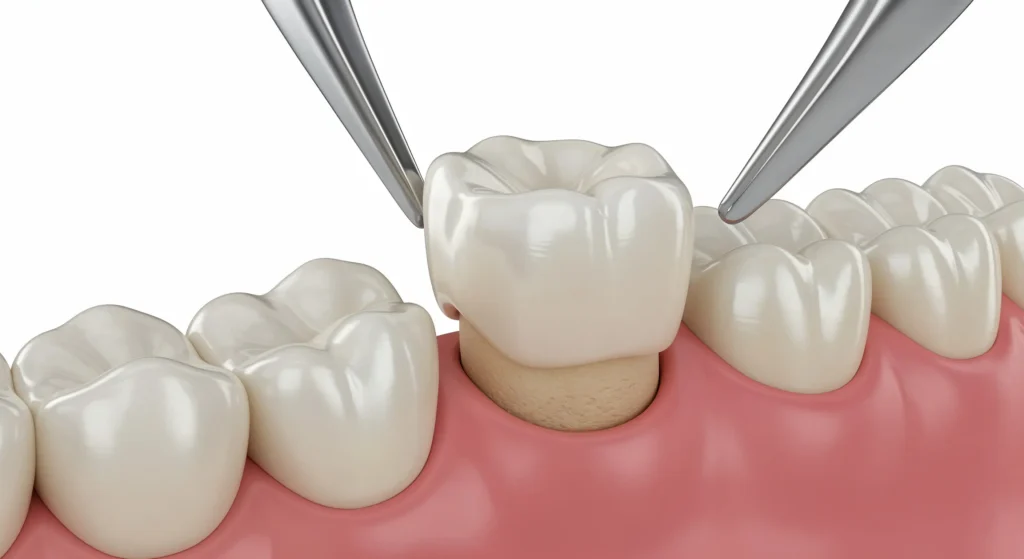
If the knocked out tooth is a permanent tooth, pick it up by the crown, which is the chewing surface and visible part, not the root. The root contains delicate cells that should not be scrubbed or scraped. If the tooth is dirty, rinse it very briefly with milk or saline if available, or with water for just a second or two. Do not use soap. Do not dry it. Do not wrap it in tissue.
If the person is alert and cooperative, and if you are certain it is a permanent tooth, it can sometimes be placed gently back into the socket with light pressure. Many people are too distressed to do that, and that is understandable. The next best option is to store the tooth in milk, saline, or a tooth preservation solution if you happen to have one. The inside of the cheek can work in some cases for older teens and adults who can safely avoid swallowing it, but that is not ideal for young children because of the choking risk.
I once saw a case where a parent had the presence of mind to place the tooth in cold milk within ten minutes of a playground injury. The child was in the dental chair less than forty minutes later. That quick thinking gave the dentist far better odds of stabilizing the tooth successfully than if it had been left dry in a napkin.
If it is a baby tooth, do not try to reinsert it. Control bleeding, keep the child calm, and seek dental care.
If a tooth breaks, chips, or cracks
Not every broken tooth is dramatic. Some fractures are small, with no pain beyond roughness against the tongue. Others split deeply and expose the inner layers of the tooth, causing intense sensitivity to air, pressure, and temperature. The treatment path depends on how deep the damage goes and whether the tooth root or surrounding bone is involved.
Start by rinsing gently with warm water. If there is bleeding from the gums or lips, apply pressure with gauze. Save any broken pieces if you can find them. Occasionally, a fragment helps the dentist evaluate the shape of the fracture or, in select cases, bond a piece back temporarily.
If the edge is sharp, orthodontic wax or sugar free chewing gum can cover it for the trip to the office. That is a comfort measure, not a repair. Avoid chewing on that side. Very hot coffee, ice water, and hard foods usually make things worse.
A vertical crack is especially tricky because it may not always show clearly from the outside. People often describe pain when biting down and a sharp release of pain when they let go. That pattern can point to a fracture line that needs urgent evaluation even if the tooth does not look severely damaged.
When swelling is the biggest issue
Swelling changes the urgency level. A puffy gum around one sore tooth is concerning. Noticeable facial swelling is more concerning. Swelling that affects opening the mouth, swallowing, speaking, or breathing is an emergency that should not wait for a routine dental opening.
Dental infections can spread into facial spaces and, in some cases, move quickly. That is why dentists ask about fever, bad taste or drainage, increasing pain, and whether the swelling is growing. The lower jaw and the area under the tongue deserve https://archerzthq081.opalvector.com/posts/emergency-dentist-care-for-accidents-at-work-or-school particular caution because swelling there can compromise the airway.
Use a cold compress on the outside of the face in short intervals. Stay upright rather than lying flat, because that can increase the sense of pressure. Drink water if you can swallow comfortably. Do not place heat on the face unless a clinician specifically told you to do so. Heat can sometimes increase swelling and make you feel worse.
Antibiotics, when they are needed, should be chosen by a clinician who understands the source of the infection and your medical history. Taking leftover antibiotics from an old prescription is a poor substitute for care and can muddy the clinical picture. More importantly, antibiotics alone do not fix the underlying problem if there is a drainable infection, a necrotic tooth, or another active source that still needs treatment.
What to do about severe tooth pain
A true toothache is rarely subtle. Patients often describe throbbing pain that radiates toward the ear, temple, or jaw. It may wake you up at night, worsen when you lie down, or flare with hot foods. Sometimes the cause is decay reaching the pulp. Sometimes it is a crack, a failing filling, exposed root surface, gum infection, or pressure from impacted wisdom teeth.
Before your appointment, keep the mouth as clean as you comfortably can. Food trapped between teeth can mimic or worsen pain, so gentle flossing is worthwhile if the area tolerates it. Warm salt water rinses can soothe irritated tissue, provided you rinse gently. If your doctor has previously told you that over the counter anti inflammatory medication is safe for you, it often helps more than many people expect for dental pain, especially when taken according to the labeled directions. If you have stomach ulcers, kidney disease, blood thinner use, pregnancy concerns, or any condition that changes what pain medicine is safe, follow your physician’s advice instead.
People sometimes ask whether they should numb the area with a topical gel. These products may give brief surface relief for sore gums, but they are usually disappointing for true deep tooth pain. The source is too far below the surface. Cooling the cheek from the outside often helps more than rubbing products directly onto irritated gum tissue.
Bleeding after dental work or an injury
Blood looks dramatic in the mouth because saliva magnifies it. A small amount can seem like a lot. Even so, bleeding that continues steadily deserves attention.
If you have just had a tooth extracted and the site is oozing more than expected, fold gauze and bite down with firm pressure for twenty to thirty minutes without talking, checking constantly, or chewing on the pad. If you do not have gauze, a clean damp cloth can work in a pinch. Some dentists also suggest a moistened tea bag because the tannins may help clotting, but pressure remains the main treatment.
Spitting, smoking, vigorous rinsing, and using a straw can dislodge the clot. That is one reason dry socket and prolonged bleeding tend to show up after patients feel well enough to resume normal habits too soon. If the bleeding is soaking gauze repeatedly despite firm pressure, contact the Emergency Dentist right away.
Patients on anticoagulants or with bleeding disorders need extra caution. What counts as routine oozing for one person may become persistent bleeding for another. Mention those medications and conditions when you call.
What to bring and what to tell the dentist
The handoff from home care to professional treatment goes more smoothly when the dentist gets a clean, useful history. A patient in severe pain may forget details, so it helps to gather the basics before you leave.
- A list of medications, allergies, and major medical conditions.
- Any broken tooth fragments, crowns, dentures, or orthodontic parts involved.
- The timing of the injury or the moment symptoms sharply worsened.
- The names and doses of anything taken for pain or swelling.
- Insurance information and a photo ID, if your clinic requires them.
If the problem followed a fall, sports impact, or car accident, mention whether there was any head injury, dizziness, or loss of consciousness. A dentist treating the mouth also needs to know if the bigger picture includes potential concussion or facial fracture concerns. Sometimes the right next step is imaging at a hospital or coordination with an oral surgeon.
Good photos taken with a phone can also help, especially if swelling has changed over time or if bleeding or displacement looked worse earlier. They do not replace an exam, but they can give context.
Situations that should send you to the emergency room first
An Emergency Dentist handles a wide range of urgent problems, but some symptoms belong in a hospital setting before or instead of the dental office. The clearest examples involve airway risk, major trauma, or uncontrolled systemic illness.
If there is difficulty breathing, difficulty swallowing, rapidly spreading swelling, confusion, heavy uncontrolled bleeding, or suspected jaw fracture with significant trauma, emergency medical care comes first. The same goes for any facial injury accompanied by altered consciousness or signs of head injury. Dental pain alone is miserable, but airway compromise is dangerous.
There is sometimes overlap. A hospital may stabilize the patient, treat infection risk, manage pain, or address trauma, then refer to a dentist or oral surgeon for definitive treatment. That is not duplication. It is the right sequencing.
The mistakes that make emergencies worse
The list of things people do in panic is surprisingly consistent. They place crushed aspirin on the gum and create a chemical burn. They scrub a knocked out tooth with a toothbrush and damage the root surface. They ignore swelling for two days because the pain briefly eases when the pressure starts draining. They take antibiotics left from a family member’s old prescription. They wait through a weekend with a broken front tooth drying out in a tissue when a fragment could have been preserved.
Another common mistake is assuming no visible damage means no serious problem. Teeth can suffer internal injury after impact even when they look intact. A blow that leaves a tooth feeling “different,” loose, elongated, or painful to bite on still deserves prompt assessment. Delayed discoloration, pulp damage, and root problems may show up later if that initial trauma is dismissed.
There is also the opposite error, rushing to do too much. For example, a mild chip with no pain does not need household glue, internet remedies, or aggressive filing with a nail tool. The safest approach is usually simple protection and a timely professional exam.
Children, older adults, and people with complex medical histories
Dental emergencies look a little different across age groups. Children may not describe pain accurately. They might say a tooth “feels funny” when it is actually loose from trauma, or they may cry more from fear than pain. Keeping them calm matters because crying and constant tongue probing increase bleeding. Parents should also remember the baby tooth versus permanent tooth distinction, since treatment decisions differ.
Older adults often present with additional layers. Thin oral tissues, dry mouth from medications, brittle restorations, dentures, implants, or untreated root decay can all complicate a dental emergency. A fall that chips a tooth may also raise concern about fractures elsewhere. If the patient lives alone or has memory impairment, written instructions and transport support become part of safe care.
People with diabetes, immune suppression, recent chemotherapy, heart valve issues, or significant anticoagulant use should mention that immediately when contacting the Emergency Dentist. The mouth does not exist in isolation. Healing, infection spread, bleeding risk, and medication choices all change when the medical background changes.
How to manage the trip to the office
The drive over is often when discomfort peaks, especially once the adrenaline wears off. Keep the patient upright if swelling or nausea is present. Have a small towel, gauze, and a container for any fragments or appliance parts. If cold helps, bring a flexible cold pack wrapped in cloth. If the patient has taken pain medicine, note the time. That detail matters more than people think because the dentist may be deciding what can be given safely in the office.
If the injury involved the lips, cheeks, or tongue, expect that those tissues may swell after the initial event. Soft tissue injuries inside the mouth tend to bleed a lot but also tend to heal well because the area is so vascular. The key is making sure there is no embedded tooth fragment, no through and through laceration, and no associated tooth or bone injury that has gone unnoticed.
A patient who feels faint, clammy, or nauseated should not drive. Dental emergencies often trigger a vasovagal response, especially after blood loss, trauma, or severe anxiety. It is better to have someone else handle transportation.
What the dentist is likely deciding when you arrive
Understanding the dentist’s priorities can make the whole visit feel less chaotic. The first questions are usually about stability: is there active bleeding, infection spread, trauma to supporting structures, or pain that suggests pulp exposure or pressure build up? Then comes the practical decision of whether the goal today is definitive treatment or temporary stabilization.
Sometimes the answer is immediate repair, drainage, reimplantation, recementation, or extraction. Other times the smartest move is to stop pain, reduce infection risk, place a temporary restoration, and bring you back when swelling has settled or imaging is available. Patients occasionally feel disappointed when everything is not solved in one appointment, but staged care is often the safer and more predictable choice.
A good Emergency Dentist is not just treating the tooth in front of them. They are also weighing timing, tissue condition, anesthesia effectiveness in inflamed areas, fracture patterns, and your medical history. What you did before arrival can either support that judgment or complicate it.
The calm approach usually works best
Most dental emergencies improve with a fairly unglamorous combination of quick contact, gentle first aid, pain control, and timely professional care. The challenge is not usually a lack of options. It is the rush of fear that makes people act too fast, wait too long, or try home fixes that backfire.
If you remember nothing else, remember this: protect the area, avoid harsh handling, keep any tooth or fragment moist when appropriate, and call an Emergency Dentist as soon as possible. Those simple steps are often enough to preserve choices, reduce damage, and make the next hour go far more smoothly than the first ten minutes did.
Simple Dental Vermont
Address: 8914 S Vermont Ave, Los Angeles, CA 90044
Phone number: +13239493000
FAQ About Emergency Dentist Los Angeles CA
What can the ER do for a tooth?
The emergency room can provide temporary symptom relief for a bad tooth, such as prescribing pain medicine or antibiotics, but it cannot fix the actual dental problem.
What is the 3-3-3 rule for tooth infection?
The 3-3-3 rule for a toothache or infection typically means taking three 200 mg ibuprofen tablets (600 mg total) three times a day for no more than three days to control pain and swelling while waiting to see a dentist.
What do you do if you have a dental emergency but no dentist?
If you have a dental emergency and no regular dentist, you should search for an urgent care dental clinic, call local walk-in dental offices, or go to a hospital emergency room if you have severe bleeding, swelling, or trouble breathing.