Emergency Dentist Guide to Stopping Dental Pain at Home Temporarily
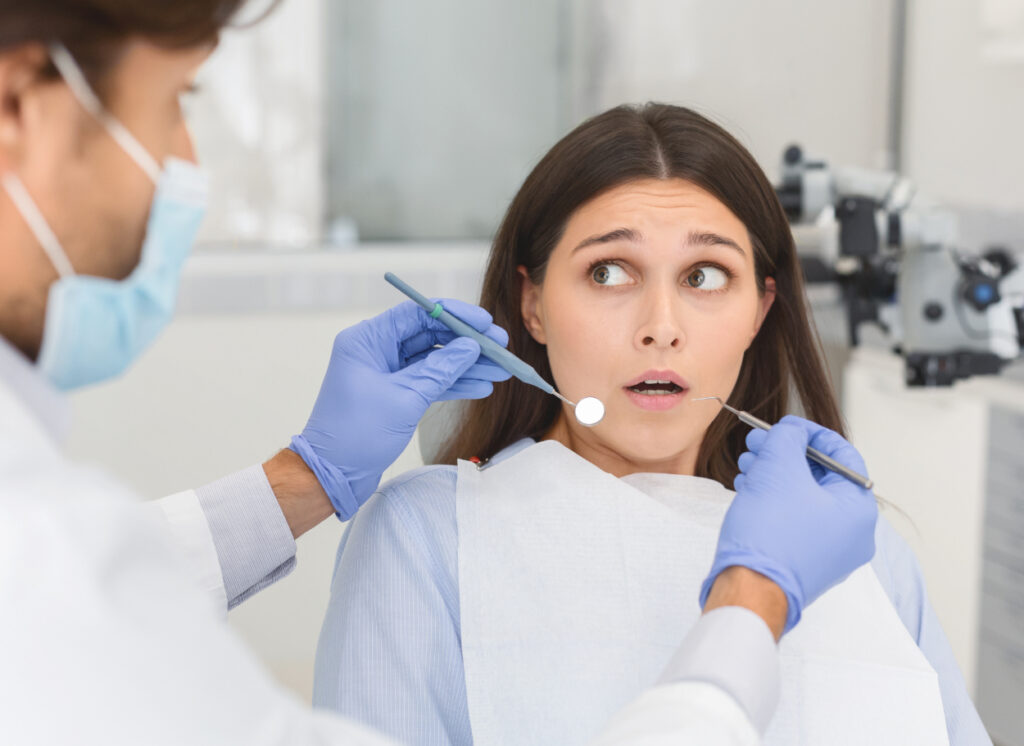
Dental pain has a way of taking over everything. It does not stay politely in the background while you finish a workday, get the kids to school, or try to sleep. A mild throb can turn into a sharp, pulsing ache within hours, and when it does, most people want the same thing right away, relief now, answers soon.
That urgency is exactly why the phrase Emergency Dentist matters. Severe tooth pain is not just annoying. It can point to infection, a cracked tooth, an abscess, exposed dentin, inflamed gum tissue, a lost filling, or pressure from an erupting wisdom tooth. Some causes are minor and temporary. Others worsen quickly if left alone. Home care can help you buy time and reduce suffering, but it is a bridge, not a final repair.
The goal here is practical: how to reduce dental pain at home safely while you arrange proper treatment. The safest temporary measures are simple, inexpensive, and often surprisingly effective when used correctly. The unsafe ones, unfortunately, are common, passed around by relatives, old internet posts, or sheer desperation. Knowing the difference can spare you a worse problem by morning.
What dental pain usually means
Tooth pain is not one thing. Patients often describe it as stabbing, throbbing, aching, zapping, pressure, or soreness when biting. That description matters because it often hints at the source.
A lingering ache triggered by hot or cold foods can mean the inner nerve tissue is inflamed. Pain when chewing may suggest a cracked tooth, a loose filling, or inflammation around the root. Gum swelling with a bad taste in the mouth raises concern for infection. Sharp sensitivity when air touches a tooth may happen when enamel has worn down or a cavity has exposed the underlying dentin. Wisdom teeth can create a deep soreness in the back of the jaw, sometimes with swelling of the surrounding gum flap.
The body is not subtle when a dental problem starts irritating a nerve. Even a very small opening in a tooth can produce disproportionate pain because the pulp, the soft center that contains nerves and blood vessels, is enclosed in a hard shell. When inflammation builds pressure inside that space, people often say the pain feels relentless or synchronized with their heartbeat. That pulsing sensation is a classic reason people end up calling an Emergency Dentist after office hours.
First, focus on the basics that lower pain fast
The first hour matters. People often make things worse by lying flat, applying heat, chewing on the painful side, or taking random medications too close together. A calmer, more methodical approach works better.
Start by rinsing your mouth gently with warm salt water. This does not cure a cavity or an abscess, but it can soothe irritated tissues, loosen debris, and reduce some surface inflammation. Use warm water, not hot. If the tooth is already angry, extreme temperatures can provoke sharper pain.
Then inspect the area as best you can in a mirror with a light. Sometimes a popcorn hull, meat fiber, or seed husk trapped between teeth causes impressive pain and gum swelling. Floss carefully on both sides of the sore tooth. Many people skip this because they think flossing will aggravate the area, but if something is wedged under the gumline, removing it can bring dramatic relief within minutes. The key word is carefully. You are trying to clear debris, not force the floss through swollen tissue.
Keep your head elevated. This sounds minor until you try to sleep with a throbbing tooth. Lying flat can increase blood pressure in the head and make pulsating pain feel worse. Extra pillows or a reclined position often take the edge off enough to get some rest.
Cold can help, heat usually does not. An ice pack or cold compress placed on the cheek for short intervals can reduce swelling and numb the area slightly. A warm compress may feel comforting for muscle pain in the neck or jaw, but for a swollen, infected tooth it often intensifies throbbing.
The safest home steps, in order
When pain is intense, structure helps. This short sequence is the one most likely to bring temporary relief without creating a second problem.
- Rinse gently with warm salt water and floss around the painful area to remove trapped food.
- Take an over the counter pain reliever as directed on the package, assuming you can safely take it based on your medical history and any instructions from your physician.
- Apply a cold compress to the outside of the cheek for about 15 to 20 minutes at a time.
- Avoid chewing on that side, and choose soft, lukewarm foods rather than anything hard, sticky, very hot, or icy cold.
- Call a dentist promptly, especially if the pain is severe, worsening, or paired with swelling.
That sequence seems almost too simple, yet it is the combination that repeatedly helps people get through the night until proper care is available.
Which pain relievers tend to help most
For many dental pain conditions, over the counter anti inflammatory medication helps more than a product that only dulls pain. That is because inflammation is often part of what is driving the ache. If you are able to take nonsteroidal anti inflammatory drugs safely, they may be more effective for tooth pain than many people expect. Acetaminophen can also help and may be a better option for some individuals depending on stomach issues, kidney disease, blood thinners, pregnancy status, liver disease, or other health factors.
This is where judgment matters. There is no universal “best” medicine for everyone. A healthy young adult with no medical restrictions has different options than a patient with ulcers, chronic kidney disease, anticoagulant use, or a history of allergic reactions. Read and follow the label carefully. Do not stack products casually, and do not exceed package directions because pain feels urgent. Medication overdoses for dental pain happen more often than most people realize, especially when someone takes a cold medicine, a sleep aid, and a pain reliever without noticing overlapping ingredients.
Topical numbing gels can help a little when the pain is coming from irritated gums or an erupting wisdom tooth, but they are usually less useful for deep toothache from a decayed or infected tooth. Some also wash away quickly with saliva. They can still have a role, just not a miraculous one.
Clove oil gets mentioned often. It contains eugenol, which has a mild numbing effect and has been used in dentistry for a long time in controlled settings. At home, though, it is easy to overdo and burn soft tissue. If someone chooses to try it, it should be used very sparingly and never poured directly onto the gums. Even then, results are mixed. It is not my first recommendation because the margin between “a little helpful” and “now the gums sting too” is narrower than people think.
What to eat, drink, and avoid while the tooth settles
Painful teeth are often reactive. The same tooth that tolerates plain yogurt may flare with ice water, black coffee, or a crust of bread. During the waiting period before treatment, texture and temperature make a real difference.
Soft foods are your friend for a day or two. Think eggs, oatmeal, soup that has cooled to warm rather than steaming, mashed potatoes, yogurt, smoothies that are not icy, cottage cheese, or soft pasta. Chew away from the painful side. If biting down hurts sharply, avoid foods that require tearing or grinding.
Sugary snacks can intensify pain in a decayed tooth because exposed dentin and irritated pulp react to chemical changes, not just pressure. Acidic drinks like soda, sports drinks, and citrus can do the same. Alcohol is another poor idea, especially if you are taking pain medication or dealing with dehydration from not eating well.
One practical detail many people miss is hydration. Dry mouth can make oral discomfort feel worse. Sip water regularly, especially if you have been mouth breathing from congestion or sleeping poorly.
A lost filling, broken tooth, or cracked cusp needs a different kind of caution
Not all dental pain is infection. Sometimes the problem is mechanical. A filling falls out while chewing, a corner of a molar shears off, or a hairline crack suddenly turns into pain when you bite something firm. These situations often leave sensitive inner layers exposed.
If a tooth is broken, rinse gently and save any large fragment if you can find it. For a lost filling, pharmacies sometimes sell temporary filling material designed for short term use. Used as directed, it can cover the exposed area and reduce sensitivity until you are seen. The keyword is temporary. It is not a substitute for the tooth being properly restored and sealed.
A sharp broken edge can cut the tongue or cheek. Orthodontic wax or sugar free gum can sometimes be pressed over the edge to protect soft tissue for a few hours. That is a comfort measure, not a repair. If the broken area came from trauma, especially a hit to the face, the tooth can be injured deeper than it looks from the outside.
Cracks are especially tricky because they may hurt only when you release your bite, or only with certain foods. People often delay care because the pain seems inconsistent. A crack rarely improves with waiting. Pressure and temperature swings tend to make it worse over time.
Swelling changes the picture
Pain alone is one level of urgency. Pain plus swelling is another.
Facial swelling can mean an infection is spreading beyond the tooth. A small puffy gum near one tooth may stay localized for a time. Swelling in the cheek, jawline, or under the eye is more concerning. Infection in the mouth does not always stay put. Dental infections can spread into surrounding tissues, and those are not problems to manage with home remedies for long.
A bad taste in the mouth, pus drainage, foul breath that appears suddenly, fever, or a sense that the tooth feels “high” when you bite can all fit the picture of infection. If the swelling seems to lessen after fluid drains from the gum, do not assume the problem is over. Pressure may have reduced, but the source remains.
This is where calling an Emergency Dentist promptly matters most. Dental infections can escalate unevenly. Some simmer for days. Others swell dramatically overnight.
When home care is not enough
Temporary relief is useful only if you recognize when the situation has crossed into urgent territory. These are the moments to stop experimenting and seek prompt care.
- Swelling in the face, jaw, or gums that is increasing
- Fever, chills, or feeling unwell along with tooth pain
- Trouble swallowing, trouble breathing, or difficulty opening the mouth
- Bleeding that does not stop with gentle pressure
- A knocked out adult tooth or major facial trauma
That last point deserves a note. A knocked out adult tooth is time sensitive. The sooner it is reimplanted professionally, the better the chance of saving it. Handle it by the crown, not the root. If possible, place it in milk or hold it in the mouth between the cheek and gum if the person is alert and old enough not to swallow it. Then get to emergency dental care immediately.
Common mistakes that make dental pain worse
People in severe pain get creative. Some home remedies come from good intentions, but the mouth is delicate tissue and poor choices can leave burns, ulcers, or delayed treatment.
Aspirin should not be placed directly on the gum or tooth. This old myth persists, and it causes chemical burns. Aspirin is meant to be swallowed if appropriate for you, not applied topically to oral tissues.
Do not hold alcohol, hydrogen peroxide, or undiluted essential oils against the painful area hoping to “kill the infection.” These substances often irritate or injure the gums and oral lining. A gentle salt water rinse is a safer option.
Avoid heat on a swollen face. Heat increases blood flow and can worsen throbbing. Use cold externally instead.
Do not ignore severe pain just because it briefly fades. Dental nerves sometimes die after prolonged inflammation, and people misread that quiet period as improvement. Then the infection continues silently until swelling appears.
Antibiotics left over from an old prescription are another common mistake. The wrong antibiotic, the wrong dose, or an incomplete course can muddy the picture without solving the problem. Antibiotics also do not repair cracked teeth, drain abscesses, or replace fillings. They are sometimes necessary, but they are not the core treatment for most causes of tooth pain.
Children, pregnancy, and medically complex patients require extra care
A child with dental pain often cannot describe it clearly. They may stop chewing on one side, wake at night, drool more, cling, cry when brushing, or refuse cold drinks. Swelling, fever, facial asymmetry, or a tooth injury after a fall should prompt prompt dental advice. Home care should stay conservative, and medication dosing for children must be based on the product label and the child’s age and weight as directed. Guessing is not safe.
Pregnancy adds another layer. Dental infections still need attention, and delaying all care until after delivery is rarely the best strategy. Many pregnant patients can receive necessary dental treatment safely, but medication choices matter more and should be individualized. If you are pregnant and in severe pain, contact your dentist and mention the pregnancy right away so they can guide you appropriately.
For medically complex patients, tooth pain is never completely “just dental.” Diabetes, immune suppression, blood thinner use, prior head and neck radiation, recent joint replacement questions, heart conditions, and kidney or liver disease all influence what is safe at home and what needs urgent treatment. If you are in that group, low threshold communication with a dental office is wise.
How an Emergency Dentist typically thinks about your symptoms
Patients often wonder whether they are “overreacting” by calling. In practice, dentists triage based on patterns. Sharp sensitivity to cold without swelling may wait a bit. Constant throbbing that wakes you, swelling, fever, trauma, uncontrolled bleeding, or an inability to eat normally usually moves you up the list.
The dentist is trying to answer a few practical questions quickly. Is this likely infection. Is the nerve inflamed but still recoverable. Is the tooth fractured. Is there swelling that needs drainage. Is pain management alone enough until definitive treatment, or is the situation unstable.
That perspective can help you decide what details to report. Saying “my tooth hurts” is less useful than saying “the lower left molar started aching yesterday, cold makes it worse, I cannot chew on it, and this morning my cheek is swollen.” Specifics speed up the right response.
A short real world example
One of the more common overnight scenarios goes like this: a patient notices mild sensitivity for weeks, ignores it, then bites into something crusty at dinner and gets a sudden electric pain. By bedtime, the tooth throbs. They take a random pain reliever, lie flat, and wake at 2 a.m. Convinced the whole jaw is infected.
Sometimes it is infection. Sometimes it is a cracked cusp with an angry pulp. The immediate home steps do not differ much. Rinse, floss, cold compress, head elevated, appropriate medication, no chewing on that side. By morning, the difference becomes clearer during an exam and X rays. The useful point is that panic tends to lead people toward the least helpful choices, like pressing aspirin on the gums or swishing with straight liquor. Calm, basic measures almost always work better.
The emotional side of dental pain is real
Dental pain is uniquely exhausting. It interferes with sleep faster than many other aches because it is hard to position away from it, hard to distract yourself from it, and often amplified by pressure changes when you lie down. People become irritable, anxious, and foggy after even one bad night. That does not mean the pain is “all in your head.” It means the nervous system is doing exactly what it does when a sensitive area is inflamed and unrelieved.
If you are caring for someone with a toothache, keep that in mind. A little patience, a glass of water, a soft meal, and help arranging an appointment can matter more than elaborate remedies.
What temporary means, practically speaking
The word “temporarily” deserves respect here. If home care drops the pain from a nine to a four, that is success for the night, not permission to postpone treatment indefinitely. Tooth problems do not often reverse on their own. A cavity does not https://caidenjehf507.almoheet-travel.com/emergency-dentist-tips-for-broken-chipped-or-cracked-teeth reseal itself. An abscess does not resolve permanently because swelling eased. A cracked tooth does not fuse back together. At best, symptoms fluctuate. At worst, the quiet period ends with more complicated treatment.
A useful rule is this: if a home measure helped enough that you can function, use that window to schedule care while the problem is still manageable. Many dental emergencies are far easier and less expensive to treat earlier than later.
The bottom line when a tooth starts screaming
The safest path is usually the least dramatic one. Clean the area gently, use an appropriate over the counter pain reliever as directed if you can take it, apply cold externally, avoid heat and pressure, keep your head elevated, and get in touch with a dentist. If there is swelling, fever, trauma, uncontrolled bleeding, or any trouble swallowing or breathing, do not wait it out at home.
An Emergency Dentist can treat the cause. Home care can only quiet the alarm for a while. That distinction is what protects both your comfort and your health.
Simple Dental Vermont
Address: 8914 S Vermont Ave, Los Angeles, CA 90044
Phone number: +13239493000
FAQ About Emergency Dentist Los Angeles CA
What can the ER do for a tooth?
The emergency room can provide temporary symptom relief for a bad tooth, such as prescribing pain medicine or antibiotics, but it cannot fix the actual dental problem.
What is the 3-3-3 rule for tooth infection?
The 3-3-3 rule for a toothache or infection typically means taking three 200 mg ibuprofen tablets (600 mg total) three times a day for no more than three days to control pain and swelling while waiting to see a dentist.
What do you do if you have a dental emergency but no dentist?
If you have a dental emergency and no regular dentist, you should search for an urgent care dental clinic, call local walk-in dental offices, or go to a hospital emergency room if you have severe bleeding, swelling, or trouble breathing.