Emergency Dentist Care for Teen Dental Injuries and Sports Accidents


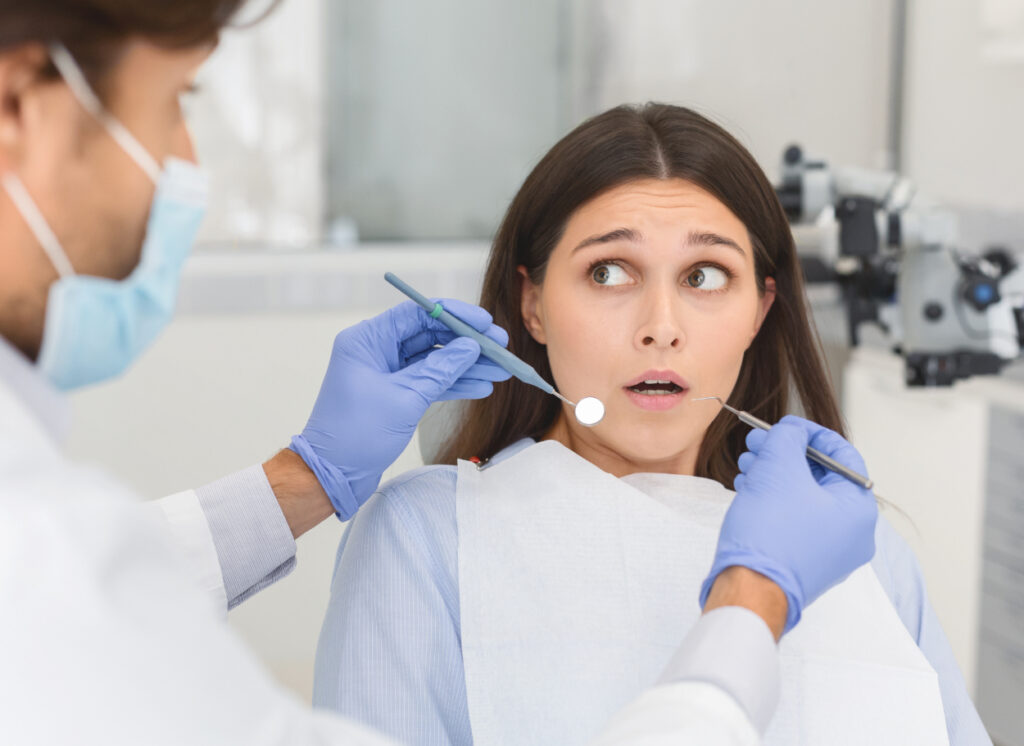
Teen years come with speed, confidence, and a tendency to test limits. On the field, in the gym, on a skateboard, or even roughhousing with friends, a split second can turn into a chipped front tooth, a bleeding mouth, or a tooth knocked completely out. When that happens, parents often face the same problem. The injury is dramatic, the teen is frightened, and the right next step is not always obvious.
Dental trauma in adolescents has its own rhythm. These injuries are common enough that every Emergency Dentist has seen the same scene many times, a teenager holding a towel to the mouth, a coach apologizing, a parent trying to stay calm, and a tooth fragment wrapped in a napkin. Yet no two cases are exactly alike. The difference between a minor chip and a long-term dental problem often comes down to what happens in the first 15 to 60 minutes.
That first hour matters because teeth are living structures. Even when the damage looks small from the outside, the nerve, root, ligaments, and surrounding bone may be involved. A sports accident can injure more than the tooth itself. Lips, tongue, cheeks, jaw joints, and facial bones can also be affected. The goal is not simply to stop pain. It is to preserve as much healthy tooth structure as possible, reduce the chance of infection, protect appearance, and keep future treatment simpler and less expensive.
Why teen dental injuries deserve a different kind of attention
Children and adults get dental injuries too, but teens sit in a particularly tricky middle ground. Their permanent teeth are usually fully erupted, which means trauma affects the teeth they will likely rely on for life. At the same time, they are active, often involved in contact sports, and not always eager to report pain or ask for help quickly. Some minimize symptoms because they want to finish the game. Others do not realize that a loose tooth, a tooth that looks darker after impact, or a numb lip can signal a more serious injury.
Adolescents are also especially sensitive to appearance. A fractured front tooth is not just a clinical event. It can affect confidence, school attendance, speech, photos, and social life. I have seen teens far more upset by the look of a broken incisor than by the pain itself. That reaction is understandable. Front teeth sit at the center of the face, and even subtle changes in shape or color can feel overwhelming at that age.
There is another practical issue. Teen roots and jawbones may still be finishing development. In some cases, that works in their favor because younger tissues can heal well. In other cases, it complicates treatment decisions. A dentist may choose to monitor a tooth closely rather than rush into aggressive treatment, especially when the pulp is still healthy and the root is not fully mature. This is why prompt examination by an Emergency Dentist is so valuable. Trauma care is not one-size-fits-all.
The sports accidents that cause the most damage
Not every dental emergency involves a high-impact collision. Plenty of injuries happen in ordinary moments, a basketball elbow, a missed catch with a baseball, a fall from a bike, a slip near the pool, a face-first landing from a scooter, or a knee to the mouth during soccer practice. Mouth injuries also happen indoors. Weight room accidents, dropped water bottles, and even accidental contact in dance or cheer routines can crack or displace teeth.
The front upper teeth take the hit most often. They sit in a vulnerable position and often absorb the force of a fall or blow. The injury may be obvious, such as a large visible fracture, or less clear, such as a tooth that is sore to bite on, slightly pushed backward, or suddenly sensitive to cold air. Sometimes the mouth bleeds enough that the actual tooth damage is hard to assess in the moment.
What surprises many parents is how often a “small” incident leads to a significant dental problem. A teen may say, “It’s just chipped,” when the fracture actually extends close to the pulp. A tooth that looks intact can later develop discoloration because the nerve was damaged by the impact. A lip cut may hide a tooth fragment lodged in soft tissue. This is one reason a trauma exam matters even when the teen seems to settle down quickly.
When to treat it as urgent
Some dental injuries can wait a short time for a same-day visit, while others demand immediate action. A completely knocked-out permanent tooth is at the top of the urgency list. So is a tooth that has been pushed out of position, driven into the gums, or loosened significantly. Heavy bleeding that does not slow with pressure, severe swelling, difficulty opening the mouth, or any suspicion of jaw fracture pushes the situation beyond a routine dental problem.
A good rule is simple. If the tooth changed position, broke deeply, came out completely, or the teen cannot close the teeth together normally, contact an Emergency Dentist right away. If there was loss of consciousness, vomiting, dizziness, confusion, or concern about a facial bone injury, medical evaluation should happen immediately as well. Dental trauma and head injury can overlap.
Sometimes urgency is less dramatic but still real. A cracked tooth with sharp pain to cold, persistent bleeding from around the gums, or a front tooth that suddenly looks longer than the neighboring tooth all deserve prompt care. Waiting until “it feels worse” is rarely the best plan with trauma.
What to do in the first few minutes
The first response should be calm, quick, and practical. Panic wastes time and often leads to well-meant mistakes, especially when someone tries to scrub a tooth, force it into place, or ignore symptoms because the bleeding stops.
Use this short response plan while you are arranging urgent dental care:
- Have the teen sit upright, rinse gently with water, and apply clean gauze or cloth to control bleeding.
- If a tooth is broken, save every fragment you can find and keep it moist, ideally in milk or saline.
- If a permanent tooth is knocked out completely, handle it only by the crown, not the root, and place it in milk or the teen’s saliva if replanting is not immediately possible.
- Use a cold compress on the face for swelling and give age-appropriate pain relief if needed, avoiding aspirin if bleeding is active.
- Call an Emergency Dentist at once and describe whether the tooth is chipped, loose, displaced, or out of the mouth entirely.
That short list covers the basics, but the details matter. Rinsing should be gentle. Vigorous swishing can disturb clotting or worsen pain. If the tooth is dirty, a brief rinse with clean water is acceptable, but scrubbing the root or wrapping it in dry tissue can damage cells that help the tooth reattach. Time out of the mouth is critical for avulsed permanent teeth. The shorter the dry time, the better the odds.
One point deserves emphasis. Do not try to reinsert a baby tooth. A knocked-out primary tooth is handled differently because replanting it can damage the developing permanent tooth beneath. With teens, most sports-related injuries involve permanent teeth, but age and dental development vary, so if there is any uncertainty, ask the dentist before attempting reinsertion.
Chipped and fractured teeth, more complicated than they look
A chipped tooth can range from a cosmetic edge fracture to a deep break involving dentin or pulp. Enamel-only chips may feel rough but not hurt much. Once dentin is exposed, cold air, water, and touch can trigger sharp sensitivity. If the pulp is exposed, the teen may report throbbing pain, and a tiny pink or red spot may be visible in the center of the fracture.
Treatment depends on depth, location, and whether the fragment is available. Small chips can often be smoothed or repaired with tooth-colored bonding in a single visit. Larger fractures may need bonded reconstruction, veneers later on, or a crown if the damage is extensive. If the nerve is involved, treatment may include pulp therapy or https://josuejqdj597.wordcanopy.com/posts/how-an-emergency-dentist-treats-a-damaged-implant-2 root canal care, especially when symptoms or x-rays show deeper injury.
The saved fragment can sometimes be reattached with excellent cosmetic results. Parents are often surprised by how well this can work, especially when the piece is kept moist and brought in quickly. Reattachment is not ideal in every case, but when it is possible, it can preserve natural shape and translucency better than a full composite buildup.
A caution from experience, a teen with a chipped front tooth may seem stable and pain-free after the first day, then return a week later with darkening color or increasing sensitivity. Trauma follow-up matters because some complications show up later, not immediately.
When a tooth is loose, pushed, or jammed upward
These injuries often worry dentists more than a simple visible chip. A tooth that is loose, displaced, or intruded into the gum has suffered damage to the supporting tissues. The periodontal ligament, alveolar bone, and nerve supply may all be affected. In teens, this kind of trauma commonly follows a direct blow from a ball, elbow, or handlebar.
A tooth pushed slightly out of line may need repositioning and splinting. Splints used in dental trauma are usually light and temporary. Their purpose is to stabilize healing, not lock the teeth rigidly. If the tooth has been driven upward into the socket, management depends on how far it moved, the stage of root development, and whether it may re-erupt on its own. These are nuanced decisions, and timing matters.
Parents sometimes ask whether they should “wiggle it back” if the tooth looks crooked. The answer is no, unless a dentist specifically guides you and immediate reinsertion of an avulsed permanent tooth is the issue. A displaced tooth may have associated fracture lines in the bone or root, and rough handling can worsen the damage.
The knocked-out permanent tooth, the true time-sensitive emergency
Among sports-related dental injuries, avulsion is the one that changes the entire conversation. If a permanent tooth is fully knocked out, the best outcome often depends on how quickly the tooth is protected and returned to a proper environment. The root surface contains delicate cells that do not tolerate drying well. Once they are severely damaged, the long-term chance of keeping the tooth drops.
An Emergency Dentist will want to know several things immediately: the teen’s age, whether the tooth is a permanent tooth, how long it has been out of the mouth, how it was stored, and whether there are signs of other injuries. If the tooth can be replanted promptly under the right conditions, that may happen at the office. The tooth is then typically stabilized and monitored closely over time.
Even with fast care, a knocked-out tooth is not always “fixed” in one visit. Follow-up is essential. The tooth may later require root canal treatment, and long-term monitoring is needed to watch for resorption, ankylosis, or loss of vitality. Families should know that urgent care improves the odds significantly, but trauma recovery often unfolds over months, not hours.
Soft tissue injuries can hide important clues
A torn lip or cut tongue often gets most of the attention because of the blood. Mouth tissues bleed dramatically, and it can look worse than it is. Still, these injuries should never be brushed off. A split lip can contain debris or tooth fragments. A deep cut inside the cheek may need evaluation if it gapes or continues bleeding. Sometimes the dentist or physician will recommend imaging if a missing tooth fragment cannot be found.
A practical example is the teen who breaks a front tooth and has a swollen upper lip. If the broken piece is not accounted for, it may be embedded in the lip from the moment of impact. If not removed, it can later harden into a small palpable lump or become irritated. This is one of those details experienced trauma clinicians look for automatically.
There is also the question of tetanus status in some injuries, particularly when dirt or outdoor trauma is involved. Dental teams may coordinate with medical care when wounds extend beyond the mouth or when systemic concerns need attention.
What happens at the Emergency Dentist visit
The visit usually begins with pain control, bleeding assessment, and a careful look at both teeth and surrounding structures. The dentist will examine the bite, check tooth mobility, test the response of the teeth, and look for cracks, displacement, and soft tissue injuries. Dental x-rays are common after trauma because roots and bone can tell a different story than the visible enamel.
Parents often expect immediate certainty about whether a tooth nerve will survive. Trauma does not always allow that. In the first hours or days after impact, pulp testing can be inconclusive. A tooth may not respond normally at first and still recover later. This is why good trauma care includes scheduled reassessment rather than a single visit and a quick verdict.
Treatment at that first appointment may include smoothing sharp edges, bonding a fracture, splinting loose teeth, repositioning displaced teeth, managing exposed pulp, prescribing rinses, and giving dietary instructions. The dentist may also advise a soft diet for a period of time, along with strict avoidance of sports until the tooth and supporting tissues stabilize.
The days after injury, what families should watch for
The first night is rarely the end of the story. Even after appropriate emergency care, trauma can evolve. Swelling may increase before it settles. A bruised gumline can appear. A tooth may feel “high” when biting, or the teen may avoid chewing on that side. These can all be expected in some cases, but certain changes deserve a call back.
Watch for worsening pain, new swelling, fever, a pimple-like bump on the gums, increasing looseness, or a tooth that darkens over the following weeks. A color change does not always mean the tooth is lost, but it does need evaluation. So does persistent numbness in the lip or chin, which can suggest deeper injury.
This is also the point where compliance matters. Teenagers often want to return to practice too soon. That is understandable, especially during the season, but one second impact to a healing tooth can undo a careful repair. Dentists are not being overly cautious when they restrict return to play. They are trying to prevent a manageable injury from becoming a lifelong problem.
Pain, appearance, and the emotional side of trauma
Dental injuries in teens are not just mechanical failures to be patched. They land at a stage of life where identity and confidence are fragile. A visible front tooth injury before school photos, prom, tryouts, or a performance can feel enormous. Even a temporary repair can be a relief if it helps the teen smile and speak without feeling watched.
Pain management matters too, but it is usually best approached with moderation and common sense. Many injuries respond well to cold compresses and standard over-the-counter medication when the teen can take those safely. Severe or escalating pain should not be masked and ignored. It should trigger re-evaluation.
The best emergency care balances three priorities at once, protect the biology of the tooth, restore function, and preserve appearance. That balance is why trauma dentistry can be so satisfying when handled well. A good repair does not just stop a problem. It gives a teenager normalcy back.
Prevention that actually works
No prevention strategy eliminates risk, but some measures make a meaningful difference. The single most effective tool for many athletes is a properly fitted mouthguard. Store-bought versions are better than nothing, but fit matters. A custom guard made by a dentist generally offers better retention, comfort, and speech. Teens are more likely to wear equipment that does not make them gag or mumble.
The habits around sports matter just as much as the gear. Encourage these five practices:
- Wear a mouthguard for contact sports and for activities with frequent falls or collisions, including basketball, skateboarding, and biking.
- Replace old mouthguards that have become thin, warped, or ill-fitting.
- Use helmets and face protection when the sport calls for them, because many dental injuries happen with broader facial trauma.
- Avoid chewing ice, mouthguards, or pen caps, especially after a tooth has already been injured once.
- Keep the phone number of an Emergency Dentist accessible to parents, coaches, and older teens.
The mention of coaches is important. Many sports injuries occur away from home, and the first adult on the scene may not know what to do with a knocked-out tooth. Teams that carry a small dental emergency kit with saline, clean gauze, and a storage container are better prepared than teams that rely on improvised solutions.
A note on cost, timing, and long-term planning
Families often worry about cost right away, and fairly so. Emergency visits, x-rays, bonding, splints, and follow-up appointments add up. Yet delayed care can become more expensive than prompt care. A small fracture repaired quickly may stay simple. The same fracture neglected long enough to infect the pulp may lead to root canal treatment, crown work, or eventually replacement planning.
Not every trauma case ends in major treatment. Many teen injuries heal well with conservative care and monitoring. But it helps to think in stages rather than a single bill or a single fix. There is the emergency phase, the healing phase, and sometimes a refinement phase later if cosmetic or structural improvements are needed once tissues settle.
This long view is especially important when a front tooth is involved. A temporary repair on the day of injury may be the right choice even if a more definitive restoration is considered months later. Good dentists explain that sequence clearly so families know what is urgent now and what can wait.
The practical takeaway for parents and coaches
If a teen takes a blow to the mouth, do not rely on appearance alone. Teeth can be injured beneath the surface, and time matters more than many people realize. A quick call to an Emergency Dentist can save a tooth, preserve a better cosmetic result, and reduce the amount of treatment needed later.
The families who navigate these situations best are not the ones who know every dental term. They are the ones who stay calm, save what can be saved, protect the tooth properly, and seek care quickly. In teen sports injuries, that combination makes a real difference. A front tooth can often be repaired beautifully, a displaced tooth can sometimes be stabilized successfully, and even a knocked-out permanent tooth may have a better future when the first response is smart and fast.
For adolescents, that matters beyond oral health. It means returning to school, sports, speech, meals, and a normal smile with as little disruption as possible. That is the real value of skilled emergency dental care after sports accidents.
Simple Dental Vermont
Address: 8914 S Vermont Ave, Los Angeles, CA 90044
Phone number: +13239493000
FAQ About Emergency Dentist Los Angeles CA
What can the ER do for a tooth?
The emergency room can provide temporary symptom relief for a bad tooth, such as prescribing pain medicine or antibiotics, but it cannot fix the actual dental problem.
What is the 3-3-3 rule for tooth infection?
The 3-3-3 rule for a toothache or infection typically means taking three 200 mg ibuprofen tablets (600 mg total) three times a day for no more than three days to control pain and swelling while waiting to see a dentist.
What do you do if you have a dental emergency but no dentist?
If you have a dental emergency and no regular dentist, you should search for an urgent care dental clinic, call local walk-in dental offices, or go to a hospital emergency room if you have severe bleeding, swelling, or trouble breathing.